
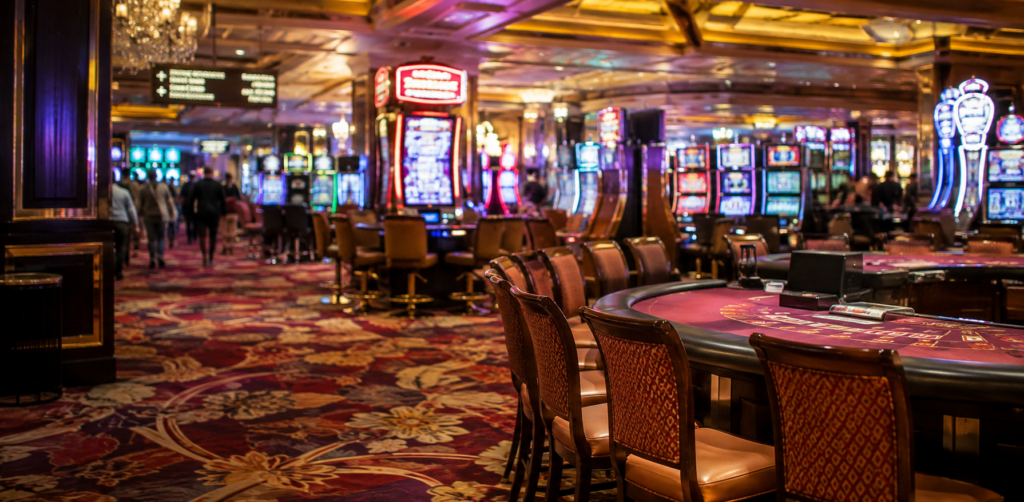
A Las Vegas premises liability lawyer can determine whether unsafe property conditions caused your injury and which business controlled the area where it happened. Casinos, hotels, resorts, and other businesses must use reasonable care to keep lawful visitors safe. When they fail to inspect, repair, warn, or take reasonable security measures, they may be responsible for any resulting harm. Depending on the facts, the liable party could be the property owner, operator, management company, maintenance vendor, or security contractor.
As your premises liability lawyer, Temple Injury Law holds negligent property owners and operators accountable when they fail to provide a reasonably safe environment for guests. Acting quickly is critical because casino surveillance footage may be overwritten within days, and the state of Nevada gives you only two years to file a premises liability claim.
Call Temple Injury Law or submit our online form for a free, no-obligation case review.
What Is Premises Liability in Nevada?
Premises liability is the area of negligence law that applies when a condition on someone else’s property causes an injury. Casino patrons, hotel guests, shoppers, and restaurant customers are generally invitees because they enter for a business purpose. A proprietor owes invited guests ordinary care and must keep areas intended for their use reasonably safe.
What reasonable care requires depends on the setting. It may include inspecting public areas, maintaining floors and equipment, repairing hazards, and giving an adequate warning before someone gets hurt. A business is not automatically liable whenever an injury occurs. The question is whether the person or company in control acted reasonably under the circumstances.
Nevada law also does not automatically excuse a landowner simply because a hazard was visible. Visibility is one fact considered when deciding whether the property and the visitor each used reasonable care. An attorney should review how the danger developed, how long it existed, and who controlled the location.
Common Casino & Hotel Injuries
Casino and hotel properties pose hazards that most visitors never consider until an accident occurs. Here are the most common premises liability injuries we handle:
Slip and Fall Accidents
Slip and fall accidents are the most common injuries in Las Vegas casinos and hotels. A wet floor near a bar, a freshly mopped marble lobby, or a spill left unattended on the gaming floor can cause fall accidents resulting in broken bones, spinal injuries, and traumatic brain injuries. Injuries from falls can lead to severe medical bills due to the possibility of undergoing multiple surgeries. When a hazard existed long enough that the property owner knew or should have known about it, you may recover compensation.
Escalator and Elevator Injuries
Escalator accidents and elevator malfunctions in casinos can cause crush injuries, falls, and entrapment. These cases often involve inspection records, maintenance logs, and manufacturer defect claims. The responsible parties may include the casino, the maintenance company servicing the equipment, or the elevator manufacturer.
Negligent Security Cases
Inadequate security can lead to injuries from assaults. When a casino or hotel fails to provide reasonable security through poor lighting, insufficient security staffing, broken locks, or lack of patrols, guests may suffer violent attacks. These negligent security cases are among the most serious injuries we handle, often involving emergency room visits and long-term medical treatment.
Pool and Spa Injuries
Resort pool and spa areas present dangers including slippery surfaces, inadequate lifeguard coverage, and missing safety signage. A resort pool accident can cause drowning, spinal cord injuries, or serious lacerations. The hotel or resort can be held liable when they failed to maintain safe conditions around aquatic facilities.
Other Casino & Hotel Hazards
Additional premises liability injuries include injuries from falling objects from improperly secured fixtures, broken furniture in hotel rooms, food poisoning from on-site restaurants, and dog bites at pet-friendly properties. Dog bites can cause puncture wounds and nerve damage. Hazardous conditions can occur in hotels and casinos in countless ways. Each requires documentation of the dangerous condition and the owner’s failure to address it.


Negligent Security at Casinos & Hotels
Negligent security claims concern preventable safety failures connected to a third party’s wrongful act, such as an assault or robbery. Nevada law does not make an innkeeper responsible for every crime on its property. Under NRS 651.015, for an injury caused by someone outside the innkeeper’s control, foreseeability is central to whether a duty existed.
Foreseeability may depend on whether the owner or innkeeper used due care and whether it knew about prior similar incidents. Courts examine the circumstances on a case-by-case basis, including the location, level of violence, and security issues involved. Poor lighting, broken locks, unsecured access points, or insufficient guards may be relevant, but each must be tied to the event and the property’s knowledge or precautions.
Negligent security cases often occur in bars and nightclubs as well as on casino floors and in parking structures. Poor lighting can contribute to serious injuries in public spaces. If a casino had prior complaints about criminal activity or excessive force by its own security staff and did nothing, that failure strengthens your legal claim. In 2023, the Nevada Gaming Commission fined a casino $500,000 over how its security officers treated an employee and a customer — an indication that regulators scrutinize how casino security personnel are trained and supervised. A regulatory penalty does not by itself establish civil liability, but it can point to the kinds of records worth requesting.
What You’ll Need to Prove
A premises liability claim requires evidence that the defendant owed you a duty of care, breached that duty, and caused an injury with measurable losses. For a temporary condition created by someone other than the business or its employees, proof often focuses on actual or constructive notice. Actual notice means the business knew about the danger. Constructive notice means the circumstances support that it should have known and acted.

If the business or its employee created the condition, the analysis of the notice may differ. Nevada courts have also recognized, in limited self-service retail settings, that a business’s chosen mode of operation can support an inference of notice when that operation makes a dangerous condition virtually continuous. Nevada has not extended this reasoning broadly, so whether it applies depends closely on the type of business and how the hazard arose. An attorney must determine which theory fits the evidence.
An incident report can confirm when and where the event was reported, while surveillance footage may show how the hazard arose, how long it remained, or how employees responded. Inspection records, photographs, witness accounts, repair documents, and prior complaints can complete the timeline. The report itself does not prove negligence, and the property may not voluntarily give you its video. Early preservation efforts are therefore important.
What If You Were Partly at Fault?
Under Nevada’s comparative negligence rule, being partly responsible does not always prevent recovery. NRS 41.141 allows a plaintiff to recover when the plaintiff’s negligence is not greater than the negligence of the defendant or the combined negligence of multiple defendants. Put plainly, a share of fault up to 50% may reduce damages by that percentage; fault of 51% or more bars recovery.
For example, a property may argue that you were distracted, ignored a warning, or failed to see an obvious condition. That allegation is not the final answer. Photos, video, lighting, crowd flow, signage, and the property’s own conduct can affect how fault is assigned.
What to Do After an Injury at a Casino or Hotel
- Get medical care immediately. Go to the emergency room or urgent care as soon as possible. Prompt treatment protects your health and creates medical records that can serve as foundational evidence for your personal injury claim.
- Report the incident to security or management. Ask that the accident be documented in a written incident report and request a copy for your records. If staff refuse to provide or prepare one, make a note of the refusal and document who you spoke with.
- Photograph the scene and your injuries. Take clear photos of the dangerous condition, the surrounding area, your injuries, the lighting conditions, and any warning signs or their absence. These details may change or disappear shortly after the incident.
- Collect witness information. Get the names and phone numbers of anyone who saw the accident happen or noticed the hazardous condition before you were injured. Independent witnesses can provide important evidence about what occurred and how long the danger may have existed.
- Do not give a recorded statement. The casino’s risk management team or insurer may ask you to provide a recorded account of the incident. Politely decline until you have spoken with legal counsel.
- Contact a premises liability lawyer as soon as possible. An attorney can send preservation demands for surveillance footage, maintenance records, and other evidence before it is overwritten, lost, or destroyed. Casinos often have experienced insurance adjusters and defense attorneys working to minimize liability, so having your own legal team involved early can help protect your claim.
How Long Do You Have to File in Nevada?
Nevada has a two-year statute of limitations for filing claims. Under NRS 11.190, you must file your premises liability claim within two years of the date your injury occurred. Miss that deadline and your case is almost certainly time-barred.
But the real deadline is much sooner. Surveillance footage may be gone within days. Witnesses forget. Maintenance logs get archived or lost. Circumstances can affect the statute of limitations and recovery in personal injury lawsuits. The earlier you contact a casino injury lawyer, the stronger your case will be. Do not wait.
How Temple Injury Law Can Help
Temple Injury Law can investigate who controlled the property and what each business was required to do. We can send preservation demands for surveillance footage, incident files, inspection logs, maintenance records, prior complaints, and security materials. We also handle communications with casino legal departments, insurers, and defense teams so you do not have to respond alone.
From our Las Vegas and Blue Diamond offices, we serve injured people throughout Clark County. Our experienced premises liability attorneys assess applicable Nevada law, gather medical and financial documentation, consult qualified professionals when needed, and prepare each claim based on its facts. No lawyer can promise a result, but we can give you a direct assessment of the evidence, available options, and likely challenges.
We handle these matters on a contingency fee. There is no upfront attorney’s fee, and you owe no attorney’s fee unless we win for you. The fee terms and case expenses will be explained in the written agreement.
Frequently Asked Questions
You may have a claim if a casino, hotel, contractor, or other responsible party failed to use reasonable care and that failure caused your injury. The right defendant depends on control, notice, contracts, and the manner in which the condition arose. An injury at the property, by itself, is not enough.
Negligent security is a premises claim alleging that inadequate safety measures contributed to injury from a foreseeable wrongful act. For Nevada innkeepers, courts apply NRS 651.015 and examine due care, prior similar incidents, and the surrounding circumstances. Liability is not automatic after an assault or robbery.
Report the fall, seek care, photograph the liquid and nearby area, and get witness details. A claim may turn on who caused the spill and whether the business knew or should have known about it. Inspection records and surveillance can help establish the timing.
NRS 11.190 generally provides a 2-year statute of limitations for a Nevada premises liability lawsuit arising from another party’s wrongful act or neglect. Some facts can affect the deadline. Have a lawyer check the date early rather than assuming the general period applies unchanged.

Jeff Temple
Personal Injury Lawyer
Talk to a Las Vegas Premises Liability Lawyer
The fact that an injury happened at a casino or hotel does not answer the most important legal questions. The first legal review should determine who was responsible for the area, whether the hazard can be tied to a failure to use reasonable care, whether the business had actual or constructive notice, and how Nevada’s comparative negligence rule may affect recovery.
Temple Injury Law offers a free consultation to examine that issue and identify the right next step. Contact us for a free consultation with our Las Vegas premises liability lawyers.
