
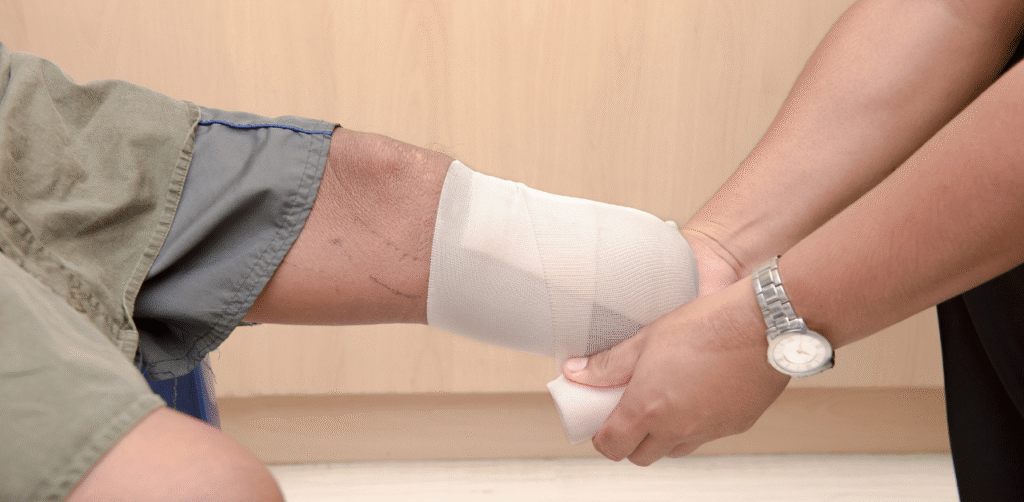
Amputation and disfigurement injuries are among the most severe outcomes of accidents and medical errors. These injuries affect mobility, independence, appearance, and mental health. They also create long-term medical needs and financial strain that can last a lifetime.
At Temple Injury Law, we help accident victims and families pursue amputation and disfigurement claims after life-changing injuries. Our firm is led by Jeff Temple, a Las Vegas personal injury lawyer with years of experience handling serious injury claims. We focus on facts, evidence, and client-centered advocacy. Our goal is to seek fair compensation and hold negligent parties accountable.
If you or a loved one suffered amputation or permanent disfigurement due to someone else’s negligence, you deserve answers and support. Contact us today for a free consultation to discuss your legal options and next steps.
Understanding Amputation and Disfigurement Injuries
Amputation and disfigurement injuries fall under catastrophic injury cases. These injuries often involve permanent damage to a body part, loss of function, and long-term physical pain and emotional distress.
Amputation refers to the partial or complete removal of a limb or body part. Amputation injuries can be traumatic, such as those caused by motor vehicle accidents, heavy machinery, or workplace accidents. They can also result from surgical errors or medical malpractice.
Disfigurement involves permanent changes to a person’s physical appearance. This can include severe burns, facial scarring, loss of body parts, or deformities caused by trauma or surgery. Disfigurement injuries can affect confidence, mental health, and daily social interactions.
Both injury types require immediate medical attention and long-term medical treatment. Many victims need multiple surgeries, prosthetic devices, physical therapy, occupational therapy, and psychological counseling.
How Common Are Amputation and Disfigurement Injuries?
Research and public health data show that limb loss and severe disfigurement are more common than many people expect.
- According to the Amputee Coalition report, more than 5.6 million people in the United States live with limb loss and limb difference.
- The National Safety Council reports that workplace accidents involving heavy machinery, falls, and industrial equipment are one of the causes of traumatic injuries.
- Studies indicate that severe burns and disfiguring injuries often lead to long-term psychological trauma and post traumatic stress disorder.
- Motor vehicle accidents continue to be a major cause of traumatic amputation, especially motorcycle crashes, pedestrian accidents, and high-speed car crashes.
These statistics highlight the serious nature of amputation and disfigurement injuries and the importance of strong legal representation for accident victims.

Common Causes of Amputation and Disfigurement

Amputation and disfigurement injuries can happen in many settings. Understanding the cause of injury is a key step in building a personal injury claim.
Motor Vehicle Accidents
Car accidents, motorcycle crashes, pedestrian accidents, and other vehicular accidents can cause traumatic amputation and severe disfigurement. High-impact collisions can crush limbs, cause severe burns, or lead to injuries that require surgical amputation.
Workplace Accidents
Heavy machinery, construction equipment, and industrial tools can cause limb loss in seconds. Workers in manufacturing, construction, agriculture, and logistics face a higher risk of amputation injuries. Employers and third parties may be liable if safety standards were ignored.
Medical Malpractice and Surgical Errors
Medical malpractice can lead to amputation or disfigurement when doctors fail to diagnose infections, perform improper procedures, or make surgical errors. A delayed diagnosis or improper treatment can require amputation that could have been avoided.
Defective Products
Faulty machinery, defective vehicles, and unsafe consumer products can cause catastrophic injuries. Product manufacturers and distributors can be held responsible if defects caused the injury.
Severe Burns and Explosions
Burn injuries from fires, explosions, and chemical exposure often lead to permanent disfigurement. Victims may require reconstructive surgery and long-term treatment to restore function and appearance.
Legal Rights After Amputation or Disfigurement
Victims of amputation and disfigurement injuries may have the right to pursue a personal injury lawsuit. The legal claim aims to recover compensation for losses caused by another party’s negligence.
A personal injury attorney evaluates the case, gathers medical records, consults experts, and builds evidence to prove negligence. The legal process involves showing that someone else’s negligence caused the injury and that the injury resulted from unsafe conditions, careless actions, or defective products.
Common defendants in these cases include:
- Drivers and their insurance companies
- Employers and contractors
- Medical providers and hospitals
- Product manufacturers and distributors
- Property owners
Medical Treatment and Long-Term Care Needs

Victims of amputation or disfigurement often require lifelong medical treatment. Understanding these needs helps explain the value of a personal injury claim.
Surgical Amputation and Reconstruction
Some injuries require surgical amputation to prevent infection or save a patient’s life. Disfigurement injuries may require reconstructive surgery, skin grafts, and cosmetic procedures. Many victims undergo multiple surgeries over time.
Prosthetic Devices and Rehabilitation
Prosthetic devices help amputees regain mobility and independence. These devices require fitting, maintenance, and replacement throughout a person’s life. Physical therapy and occupational therapy are essential for learning to use prosthetics and adapt to daily activities.
Mental Health Care
Psychological trauma is common after a catastrophic injury. Counseling, therapy, and psychiatric care are important parts of recovery. Mental health treatment should be included in damage calculations.
The Legal Process for Amputation and Disfigurement Claims
The legal process can be lengthy, but understanding each step helps reduce uncertainty.
- Case Evaluation: A personal injury attorney reviews the facts, medical records, and liability issues to determine if a legal claim exists.
- Investigation and Evidence Gathering: Attorneys collect accident reports, witness statements, surveillance footage, and expert opinions. Medical professionals assess injuries and future needs.
- Demand and Negotiation: The attorney sends a demand letter to the defendant’s insurance company outlining damages and seeking a fair settlement. Negotiations may follow.
- Filing a Lawsuit: If negotiations fail, a personal injury lawsuit is filed. Litigation includes discovery, depositions, and court motions.
- Trial or Settlement: Many cases settle before trial, but some proceed to court. A trial allows a jury to decide liability and damages.
Why Legal Representation Matters in Catastrophic Injury Cases
Amputation and disfigurement claims involve high stakes. Insurance companies defend these cases aggressively. A skilled personal injury attorney understands how to prove negligence, calculate damages, and present detailed medical evidence.
Legal representation helps victims:
- Avoid mistakes when dealing with insurers
- Understand insurance coverage and policy limits
- Gather expert testimony to support claims
- Seek maximum compensation for current and future losses
- Focus on recovery while legal professionals handle the case
Take the Next Step After Amputation or Disfigurement
A strong legal claim can provide resources for recovery and help victims regain stability and dignity. Many clients, like Peluche P., have trusted Temple Injury Law during their most difficult moments. They shared:
Temple Injury Law are amazing all around. They were quick and understanding. They worked to make sure I’d get the best settlement possible. I couldn’t thank them enough for taking care of my case. They kept me updated and were available if I had any questions or concerns. Fast and amazing services!
If you or a loved one suffered amputation or permanent disfigurement, speak with a personal injury attorney who understands catastrophic injury cases. Schedule a free consultation to discuss your rights, your legal options, and the next steps toward seeking justice and fair compensation.
