
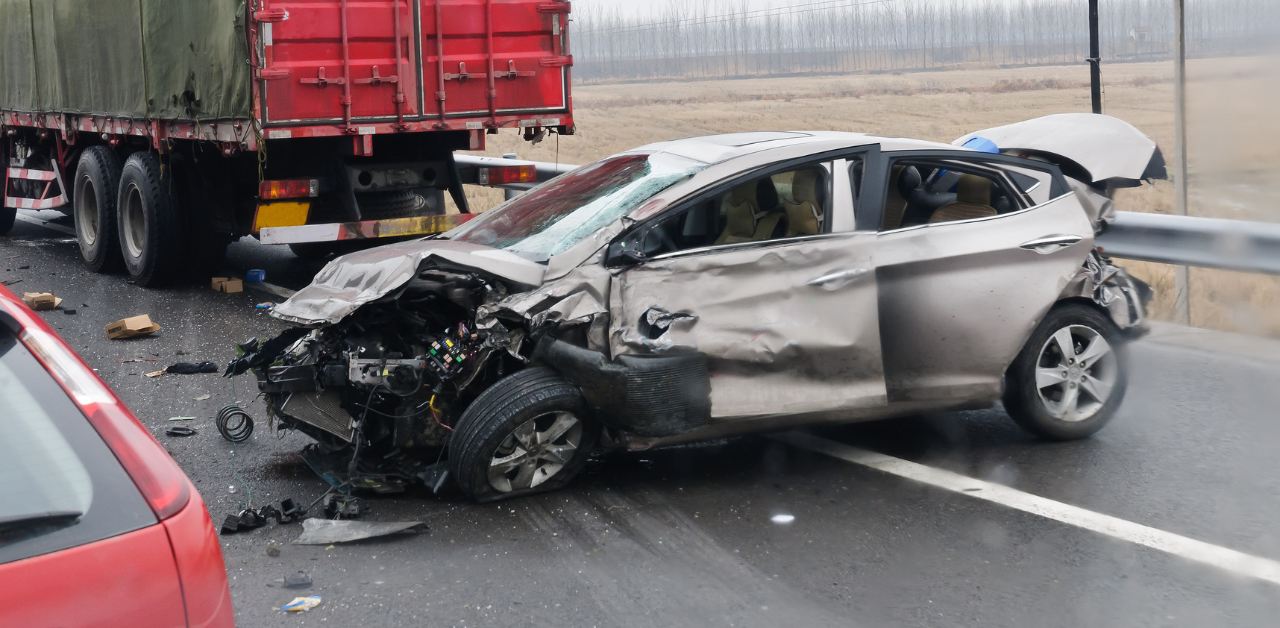
A Las Vegas car accident claim often begins before an injured person has a diagnosis, a repair estimate, or a clear account of what happened. Meanwhile, the insurance company may already be collecting statements, photos, vehicle data, and fault arguments.
People search for a Las Vegas car accident lawyer, an auto accident attorney, or a car wreck lawyer. The words differ, but the goal is the same: protect the evidence and recover what the crash actually cost. At Temple Injury Law, Jeff Temple and our team bring more than 20 years of experience to car accident and personal injury cases across Las Vegas, Henderson, Enterprise, and Clark County, Nevada. We investigate crashes, preserve evidence, document medical treatment, and work with insurance companies so our clients can make informed decisions about a personal injury claim.
Before an insurance adjuster uses a rushed statement or incomplete medical record to reduce your claim, let us review the facts. A free consultation can help you identify evidence that may disappear, deadlines that may apply, and the next step that fits your case.
Don’t navigate this alone. Get a legal expert on your side today.
What a Las Vegas Car Accident Lawyer Does After a Crash
A car accident attorney builds the claim around proof. That work starts with liability and continues through medical treatment, insurance negotiations, and litigation when a lawsuit is needed. Whether people call it a car accident, an auto accident, a car crash, or a car wreck, the process is the same.
- Preserves collision evidence. We request the police report, 911 records, available video, witness information, vehicle photos, and other records before they are lost or overwritten.
- Identifies every responsible party. The at-fault driver may not be the only source of recovery. An employer, vehicle owner, rideshare company, trucking company, maintenance provider, or product manufacturer may also need to be reviewed, based on the facts.
- Connects the crash to the injuries involved. Medical records, diagnostic imaging, physician opinions, and a clear treatment timeline can show causation and the need for future medical care.
- Calculates recoverable damages. A personal injury claim may include medical bills, medical expenses, lost wages, reduced earning capacity, property damage, and non-economic damages.
- Handles insurer contact. We organize the evidence, respond to liability disputes, review settlement terms, and address liens or reimbursement claims that can affect the net recovery.
- Prepares for civil court. Strong settlement work depends on trial-ready preparation. We track filing deadlines, draft pleadings, obtain records through discovery, and prepare testimony when the insurance company will not offer a fair settlement.
A case plan should match the facts. A minor auto accident with short-term treatment does not require the same proof as a car crash involving a traumatic brain injury, surgery, permanent restrictions, or a wrongful death claim.
Motor Vehicle Accident Cases We Handle
Our Las Vegas personal injury practice covers far more than truck accidents. We evaluate the driver conduct, roadway facts, insurance coverage, injuries involved, and available evidence in each matter.
- Rear-end collisions. These claims often focus on following distance, sudden stops, brake lights, traffic flow, and the medical timeline after impact.
- Intersection and T-bone crashes. Signal timing, right-of-way, witness accounts, and nearby video can help establish fault.
- Head-on collisions. Closing speed, lane position, and roadway or driver factors often make these among the most serious crashes to investigate.
- Hit-and-run accidents. When a driver flees the scene, uninsured motorist coverage and evidence such as video, debris, and witness accounts may support a claim while the driver is identified.
- Rollover accidents. Vehicle type, speed, road conditions, and impact sequence can all affect fault and the severity of injuries.
- Distracted driving crashes. Phone use, in-vehicle systems, passenger activity, and other distractions may support a negligence claim when the evidence is legally available.
- Drunk-driver collisions. A police investigation, chemical testing, field observations, and criminal case records may affect a related personal injury case. Punitive damages may be available only when Nevada law and the facts support them.
- Fatal car accidents. When a crash causes a death, eligible heirs and the estate may pursue a claim, as covered in the wrongful death section below.
- Rideshare accidents. Coverage can depend on the driver’s app status at the time of the collision, whether the claim involves a rideshare, Uber, or Lyft driver.
- Truck accidents. These cases often require evidence beyond a standard car accident claim because commercial vehicles may be governed by company policies, maintenance records, driver logs, cargo records, and federal safety rules. Our Las Vegas truck accident lawyer team handles them.
- Motorcycle accidents. Visibility, lane position, road hazards, helmet use, and rider injuries require careful review.
- Pedestrian and bicycle accidents. Crosswalk use, lighting, speed, visibility, and driver attention often shape these pedestrian and bicycle accident claims.
- Rental car accidents. Coverage questions can turn on the rental agreement, the driver’s own policy, credit-card coverage, and which parties were involved.
- Uninsured and underinsured motorist claims. A claim may proceed under the injured person’s own policy when the negligent driver has no insurance or insufficient limits, subject to the policy terms.
What to Do Immediately After a Las Vegas Car Accident
After an accident, your safety and well-being come first. But what you do next can also affect your claim. If you are involved in a car accident in Las Vegas, follow these steps as soon as possible:
- Call 911. Get emergency responders and Las Vegas Police to the accident scene. Make sure a police report is created by the police department.
- Seek medical attention. Even if symptoms seem minor, seek medical attention immediately. Some conditions, like whiplash, show up later.
- Record everything. Take photos of the crash, road conditions, property damage, and any visible physical harm.
- Exchange info. Get names, contact details, license plate number, and insurance information (like the insurance policy number) from the other driver involved.
- Talk to observers. If anyone saw the accident, get their contact information before they leave.
- Do not admit fault. Stick to the facts. Let your accident attorney speak for you.
Your actions will influence how your claim unfolds. Accurate records, timely medical attention, and an attorney all help build a strong claim.
Let our car accident attorneys give you a free consultation. Our offices are located in Las Vegas at:
Central Office: 1300 S. Decatur Blvd. Las Vegas, NV 89102
Southwest Office: 8085 Blue Diamond Road, Unit 103, Las Vegas, NV 89178
We serve car accident victims throughout Las Vegas, Henderson, Enterprise, the southwest valley near Blue Diamond, and Clark County.

How Nevada’s Modified Comparative Negligence Rule Affects Compensation
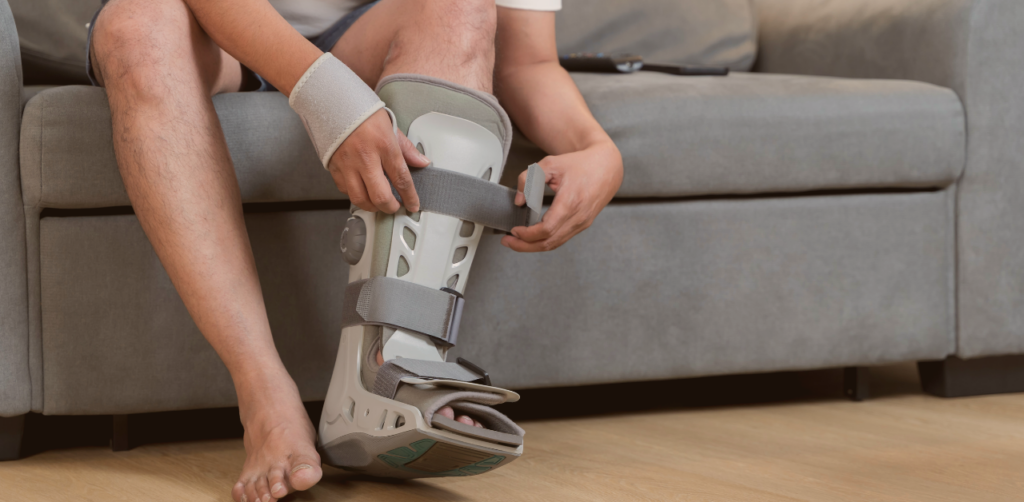
Nevada uses a modified comparative negligence rule under Nevada Revised Statutes section 41.141. A person generally cannot recover damages when that person’s negligence exceeds the combined negligence of the parties from whom recovery is sought. In a typical two-driver case, a finding of 51 percent fault bars recovery. A finding of 50 percent or less fault reduces damages by that percentage.
Insurance companies may dispute lane position, speed, signals, distraction, seat belt use, or actions taken before impact. A police report can help, but it may not contain all the facts and does not always determine civil liability. Photos, video, witness statements, vehicle data, physical evidence, and sworn testimony can change the analysis.
Injuries That Can Increase the Value and Complexity of a Claim
The diagnosis alone does not determine the value of a car accident case. Insurers and courts also examine causation, treatment, duration, permanent effects, work limits, prior conditions, and the consistency of the medical records.
- Traumatic brain injury. Concussions and more severe brain injuries can affect memory, concentration, mood, sleep, balance, and the ability to work.
- Spinal cord and back injuries. Disc injuries, nerve symptoms, fractures, and spinal cord damage may require therapy, injections, surgery, or long-term support.
- Broken bones and joint injuries. Fractures and damage to the shoulder, knee, hip, or other joints can limit mobility and lead to surgery or permanent restrictions.
- Soft-tissue injuries. Whiplash, sprains, strains, and tendon injuries can be painful even when an X-ray shows no fracture. Treatment history and clinical findings matter.
- Internal injuries, burns, and lacerations. These injuries may require emergency care, surgery, extensive medical treatment, scar care, or follow-up with specialists.
- Emotional and cognitive symptoms. A serious crash can lead to anxiety, sleep problems, fear of driving, or other symptoms. A qualified medical provider should evaluate and document these concerns.
Gaps in treatment can make causation harder to prove, but people may delay care for many reasons, including cost, transportation, work, or limited access to appointments. Accurate records should explain the timeline rather than hide it.
How Insurance Companies Evaluate and Challenge Car Accident Claims
An insurance adjuster usually reviews fault, policy limits, coverage terms, vehicle damage, treatment timing, medical necessity, proof of wages, and the likelihood that a jury would accept the claim. The adjuster may also compare statements made at the accident scene, during a recorded call, in medical records, and in later testimony.
Common dispute points include the following:
- Low-impact arguments. An insurer may argue that limited vehicle damage could not have caused the reported injury. Medical findings, occupant position, impact direction, prior health, and crash forces may still need review.
- Treatment gaps or delayed care. The insurer may question causation. Records should show when symptoms began, why care was delayed, and how the condition progressed.
- Preexisting conditions. A prior condition does not automatically defeat a claim. The issue is often this: did the collision cause a new injury or worsen an existing condition?
- Fault shifting. The insurer may assign part of the blame to the injured person to reduce payment under modified comparative negligence.
- Early settlement pressure. A quick offer may arrive before the full diagnosis, recovery period, future treatment, lost income, or permanency is known.
Nevada Filing Deadlines and the Civil Court Process
Many Nevada personal injury lawsuits arising from a car accident must be filed within two years under Nevada Revised Statutes section 11.190, and the statute of limitations can shift in some situations. Different rules or shorter notice periods may apply in some cases, including claims involving a government vehicle, a minor, a death, or facts that affect when the claim accrued. Property damage can also follow a different deadline.
An insurance claim does not automatically stop the statute of limitations. Settlement talks can continue while the filing deadline approaches. Missing the deadline can end the right to recover through civil court, so a specific deadline review should happen early.
If a lawsuit is filed, the process may include pleadings, written discovery, medical record collection, depositions, independent medical examinations, motion practice, mediation, and trial. Many personal injury cases settle before trial, but the timing depends on treatment, disputed facts, coverage, court schedules, and the parties’ settlement positions.
What Can Increase or Reduce a Car Accident Case’s Worth
The value of a car accident case depends on proof, not a formula. No responsible car accident lawyer can set a reliable value based on the vehicle damage alone or on a brief description of the injury.
- Liability evidence. Clear video, independent witnesses, admissions, vehicle data, and consistent physical evidence can strengthen a claim.
- Medical support. A diagnosis, objective findings, treatment compliance, physicians’ opinions, and future care recommendations can indicate the nature and duration of the harm.
- Work and daily life proof. Employer records, calendars, receipts, photographs, and testimony from people with firsthand knowledge may support claims for wage loss and non-economic damages.
- Available insurance coverage. Policy limits, uninsured or underinsured motorist coverage, commercial policies, and other responsible parties can affect the practical recovery.
- Comparative fault. A percentage of fault assigned to the injured person reduces damages and can bar recovery at 51 percent in a two-party case.
- Credibility and consistency. Accurate statements and records matter. Exaggeration, missing information, or conflicting accounts can reduce the insurer’s or jury’s confidence in the claim.
Settlement value and trial value are related but not identical. A fair compensation analysis should consider litigation risk, time, costs, liens, policy limits, and the range of outcomes supported by the evidence.
When a Wrongful Death Claim May Be Available
A wrongful death claim may arise when a car crash, truck accident, motorcycle accident, pedestrian accident, or other motor vehicle accident causes a death through negligence or other legally actionable conduct. Nevada Revised Statutes section 41.085 allows certain heirs and the estate’s personal representative to bring claims, with different damages available to each.
The evidence may include the collision investigation, autopsy or medical records, funeral expenses, income and support history, family relationships, and proof of the conduct that caused the fatal crash. A wrongful death case also has filing deadlines, so the family should obtain a case-specific review as early as practical.


Jeff Temple
Personal Injury Lawyer
Secure Your Rights with a Las Vegas Car Accident Attorney
A car accident victim should seek an experienced attorney to secure the compensation they deserve. At Temple Injury Law, we focus on representing car accident victims and support them throughout their personal injury cases.
Our team understands the impact of bodily injury and the stress it brings to individuals and their families. Whether your accident was caused by drunk driving, a hit-and-run, or other negligent behavior, we are committed to advocating for your rights. As a dedicated Nevada personal injury law firm, our approach is tailored to meet the unique needs of each car accident case. We work tirelessly to negotiate with insurance companies and, if necessary, to present your case in court to obtain the justice you seek.
Choosing the right accident lawyer is essential. If you have been searching for a car accident lawyer near me in Las Vegas, Temple Injury Law gives you more than just legal representation. You are gaining a partner who will stand by you from the initial consultation to the resolution of your case. Schedule a consultation and take the first step toward recovery and securing the compensation you deserve.
FAQs about Car Accidents in Las Vegas
Not every property-damage claim requires an injury attorney. Legal review becomes more useful when a person has ongoing symptoms, missed work, disputed fault, multiple vehicles, a commercial driver, low policy limits, or is under pressure to sign a release.
Look for a Las Vegas car accident attorney with local trial experience, clear communication, and a record of preparing cases for court, not just quick settlements. Ask how they investigate crashes, who handles your file, and how fees work. A free consultation is a good time to judge fit before you hire anyone.
Value depends on fault, medical proof, treatment duration, permanent effects, lost wages, property damage, insurance coverage, comparative negligence, and litigation risk. A settlement estimate should follow a record review, not a generic calculator.
Often, yes. Under Nevada’s modified comparative negligence rule, a person may generally recover when their fault does not exceed 50 percent in a two-party case. The damages are reduced by the assigned percentage of fault.
You should understand who is requesting the statement, why it is requested, and how it may be used before agreeing. Do not guess or minimize symptoms. Your own policy may require cooperation, but the duties and strategy may differ from those requested by the at-fault driver’s insurer.
Uninsured motorist coverage may apply under the injured person’s policy, subject to its terms and limits. Other responsible parties or policies may also require review. Hit-and-run crashes often proceed the same way while the driver is identified.
The timeline depends on medical treatment, liability disputes, policy limits, the number of parties, evidence collection, and whether a lawsuit is needed. Simple claims often resolve in 6 to 9 months once treatment is complete; complex claims can take 12 to 24 months or more.
Bring the police report or report number, photographs, videos, insurance cards, claim numbers, adjuster letters, medical records, medical bills, proof of wage loss, repair estimates, and a list of providers. A complete file helps the attorney give a more useful initial assessment.

