
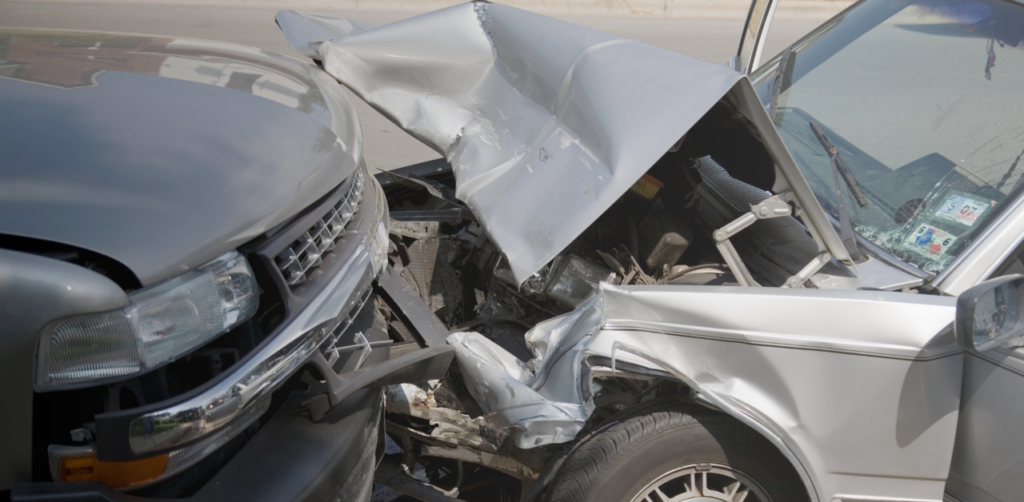
When a head-on collision happens, the damage is rarely minor. These crashes can leave people with serious injuries, overwhelming medical bills, missed work, vehicle damage, and questions about what to do next. If another driver crossed into your lane, drove the wrong way, ignored traffic signs, or caused a crash through reckless driving, you may have the right to pursue a personal injury claim.
Temple Injury Law helps injured victims and families after serious motor vehicle accidents in Las Vegas. Led by Attorney Jeff Temple, who brings 20 years of experience to personal injury cases, the firm works to protect car accident victims from insurance company tactics and help them seek full and fair compensation.
If you were hurt in a head-on collision in Las Vegas, a free consultation can help you understand your legal options, what your case may be worth, and how to move forward.
A Head-On Collision Is Not a “Typical” Car Accident
Head-on collisions are among the most dangerous types of car accidents because both vehicles often absorb a direct force of impact. These cases also tend to become legally complicated quickly. The at-fault driver may deny responsibility.
Insurance companies may argue that both drivers contributed to the accident. The crash may involve multiple insurance policies, an uninsured or underinsured driver, or disputes over the necessity of medical treatment.
A head-on collision lawyer in Las Vegas can help by investigating what happened, identifying the negligent driver, gathering evidence, and handling the legal process while you focus on recovery.
Why Hire Temple Injury Law After a Las Vegas Head-On Collision?
After a serious auto accident, the lawyer you choose matters. You need someone who understands personal injury law, knows how insurance companies evaluate car accident claims, and can build a case based on evidence rather than assumptions.
Temple Injury Law provides representation for people injured in car accident cases, motorcycle accidents, truck accidents, and other personal injury cases in Las Vegas. Our firm’s role is to help clients understand the process, document their damages, negotiate for a fair settlement, and pursue maximum compensation when the facts support it.
Temple Injury Law may help with:
- Investigating the accident scene
- Reviewing police reports and crash evidence
- Collecting medical records and medical bills
- Identifying the at-fault driver and other liable parties
- Handling communications with insurance companies
- Calculating current and future medical expenses
- Documenting lost wages and other financial losses
- Negotiating a car accident settlement
- Preparing a personal injury lawsuit when necessary
Common Causes of Head-On Collisions in Las Vegas
Most head-on collisions do not happen by chance. They usually happen because a driver made a dangerous choice or failed to pay attention.
Common causes include:
- Distracted driving, including texting behind the wheel
- Drunk drivers or drug-impaired drivers
- Reckless driving or aggressive lane changes
- Wrong-way driving
- Speeding on city streets or highways
- Falling asleep at the wheel
- Passing unsafely on two-lane roads
- Failing to obey traffic signs
- Swerving into oncoming traffic
- Losing control of a vehicle
- Driving too fast for the weather, traffic, or road conditions
In Las Vegas, head-on collision cases may happen on busy roads, near intersections, around construction zones, or on highways where wrong-way driving can have devastating results. A car accident attorney can examine the facts and determine whether the other driver, a third party, or multiple parties may be legally responsible.

Who Is Usually at Fault in a Head-on Collision?
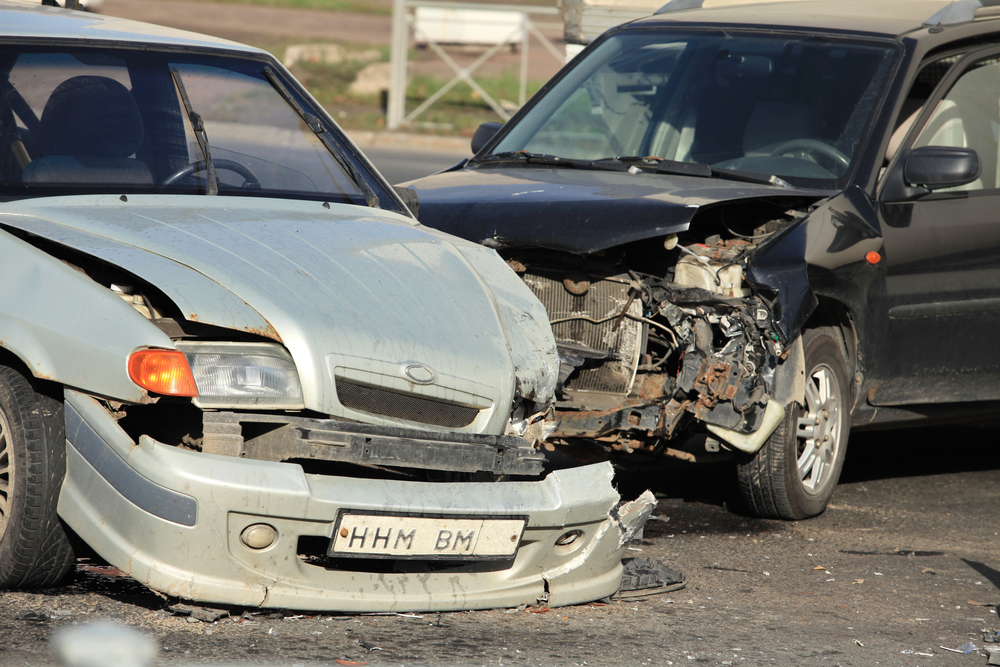
Usually, the driver who crossed the center line, drove the wrong way, or left their lane is at fault in a head-on collision.
Common causes that point to fault include distracted driving, speeding, impaired driving, unsafe passing, falling asleep, or losing control. In some cases, fault can be shared, such as when both drivers were negligent, or when it is shifted due to road hazards, vehicle defects, or another driver forcing one vehicle into oncoming traffic.
Fault depends on the evidence: police report, skid marks, dashcam footage, witness statements, vehicle damage, and traffic laws in the location. For a deeper look at how responsibility is assigned, see our guide on how responsibility is determined in an at-fault accident.
Injuries Caused by Head-On Collision Accidents
A head-on collision can affect nearly every part of the body. Some injuries are immediately obvious, while others develop or worsen in the hours and days after the accident.
Injuries may include:
- Traumatic brain injury
- Concussion
- Neck and back injuries
- Spinal cord injuries
- Herniated discs
- Broken ribs
- Broken arms, legs, wrists, or ankles
- Internal bleeding
- Organ damage
- Facial injuries
- Dental injuries
- Burns or lacerations
- Knee, shoulder, and hip injuries
- Psychological trauma
- Fatal injuries
Even if you believe your injuries are manageable, you should seek medical attention after a serious accident. Medical records can connect your injuries to the crash and help support your personal injury claim. Delaying care may give insurance companies an excuse to argue that your injuries were not caused by the automobile accident.
What to Do After a Head-On Collision in Las Vegas
The steps you take after a car accident can affect your health and your legal claim. After a head-on collision, try to:
- Call 911 and report the accident.
- Get medical attention immediately.
- Follow your doctor’s treatment plan.
- Take photos of the accident scene, vehicle damage, injuries, road conditions, and traffic signs.
- Exchange information with the other driver involved.
- Get names and contact information for witnesses.
- Request the police report when available.
- Keep all medical records, bills, receipts, and wage loss documents.
- Avoid posting about the accident on social media.
- Do not accept a settlement before speaking with a car accident lawyer.
If law enforcement does not investigate the crash at the scene, Nevada requires an SR-1 crash report to be completed within 10 days for certain crashes not investigated by police. The Nevada DMV’s SR-1 instructions specifically state that the report applies to a crash in Nevada that was not investigated by law enforcement at the scene.

How a Las Vegas Car Accident Lawyer Builds a Strong Claim
A strong personal injury claim is not based only on saying the other driver was careless. It is built through proof. Temple Injury Law may gather and organize evidence such as:
- Police reports
- Medical records
- Emergency room records
- Photos and videos from the accident scene
- Vehicle damage reports
- Witness statements
- Insurance policy information
- Employment records showing lost wages
- Professional opinions when needed
- Documentation of ongoing medical treatment
In serious accidents, this evidence can make the difference between a denied claim and a fair settlement. It can also prepare the case for litigation if the insurance company refuses to offer full and fair compensation.
What If the Other Driver Was Uninsured or Underinsured?
Some head-on collision victims discover that the negligent driver has insufficient insurance to cover the harm they caused. This can be frustrating, especially when medical expenses, lost wages, and long-term treatment costs are significant.
Depending on your policy, you may have options through uninsured motorist coverage. These claims are still insurance claims, and your own insurance company may still dispute the value of your damages.
A Las Vegas personal injury attorney can review available insurance coverage and help determine where compensation may come from.
What If a Loved One Died in a Fatal Head-on Collision?
Fatal accidents create grief, financial pressure, and legal questions all at once. If a family member died because of a negligent driver, certain surviving family members may be able to pursue a wrongful death claim.
A wrongful death claim may involve compensation for funeral expenses, medical expenses before death, lost financial support, grief, loss of companionship, and other damages allowed by Nevada law.
These cases require careful handling because the emotional stakes are high and the legal process can be complicated. Temple Injury Law can help families understand their options after a fatal Las Vegas car accident.
How Long Do You Have to File a Personal Injury Lawsuit in Nevada?

Deadlines matter. In many Nevada personal injury cases based on negligence, the deadline to file a lawsuit is two years from the date of the accident. Some exceptions may apply depending on the facts, so it is important to get legal guidance early.
Waiting too long can also weaken your case. Evidence can disappear, vehicles may be repaired or destroyed, witnesses may become harder to reach, and insurance companies may become more aggressive in disputing the claim.
How Much Is a Head-On Collision Settlement Worth?
There is no standard settlement amount for a head-on collision. The value depends on the details of the crash and the impact on the injured person’s life.
Important factors include:
- Severity of the injuries
- Whether the victim needs ongoing medical treatment
- Amount of medical bills and future medical expenses
- Lost wages and reduced earning ability
- Whether the injury caused permanent limitations
- Strength of the evidence proving fault
- Available insurance coverage
- Whether the at-fault driver was drunk, distracted, or reckless
- The pain, stress, and disruption caused by the crash
A fair settlement should reflect more than the cost of repairing a car. It should account for the physical, emotional, and financial consequences of the accident.
FAQs about Car Accidents in Las Vegas
In Nevada, the statute of limitations for filing a personal injury lawsuit, including head-on collisions, is typically two years from the accident date. However, certain circumstances may affect this timeframe. Consult a Las Vegas head-on collision lawyer to ensure you file within the required period.
The compensation from a head-on collision lawsuit can vary greatly depending on factors like the severity of your injuries, the impact on your ability to work, medical costs, and other damages. A Las Vegas head-on collision lawyer can help evaluate your case and estimate potential compensation.
If the at-fault driver was uninsured or underinsured, you may still be able to seek compensation through your own insurance company if you have Uninsured/Underinsured Motorist coverage. Discussing your case with a Las Vegas head-on collision lawyer will provide more personalized advice.
A skilled Las Vegas head-on collision lawyer will gather evidence, such as police reports, traffic camera footage, witness statements, and expert testimony, to establish the negligence of the other driver and build a strong case for you.
Nevada follows a comparative negligence rule, meaning you can still recover damages even if you were partially at fault, but your percentage of fault may reduce your compensation. A Las Vegas head-on collision lawyer can guide you through this process and advocate for your interests.

Jeff Temple
Personal Injury Lawyer
Speak With a Head-On Collision Lawyer in Las Vegas
If you or someone you love was injured in a head-on collision, Temple Injury Law is ready to help you understand your next steps. A head-on collision can affect your health, income, family, and future. You do not have to face the insurance companies or legal process alone.
Schedule your free consultation today and learn how Temple Injury Law can help you pursue maximum compensation after a serious Las Vegas car accident.
