Who is liable in a drunk driving accident? In most cases, the drunk driver is the primary person responsible for the crash, injuries, and losses that follow. Nevada generally does not allow victims to sue a bar, restaurant, or other licensed alcohol provider simply because they served alcohol to someone who later caused a DUI crash.
After a Las Vegas drunk driving accident, injured victims and families often want to know who can be held accountable. The answer depends on the facts of the crash, including whether the driver was working, whether insurance coverage is available, and whether an exception under Nevada law applies.
The Drunk Driver’s Liability
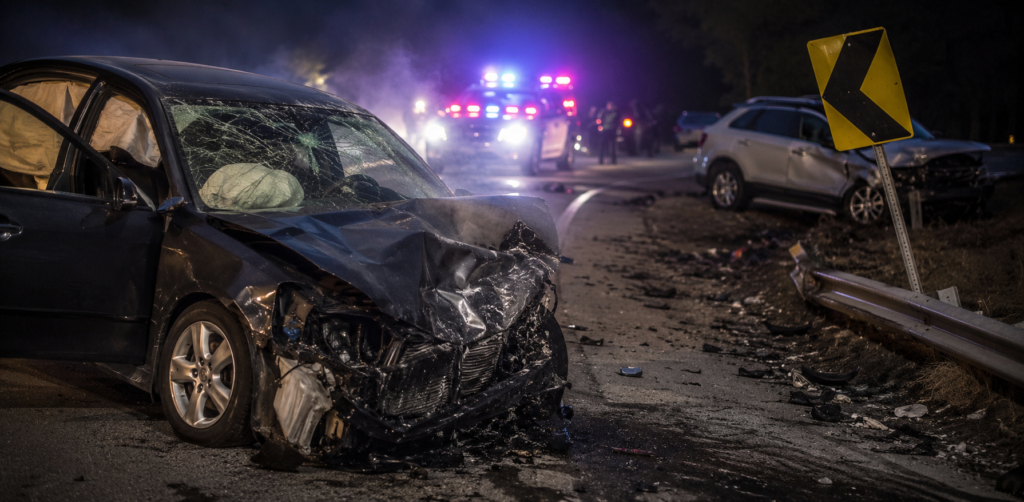
In Nevada, the intoxicated driver’s conduct establishes primary responsibility in a DUI accident. It doesn’t matter whether they drank at a casino, a friend’s house, or a tailgate. Once they got behind the wheel while impaired, they became responsible for every injury and death they caused. Nevada records hundreds of impaired driving fatalities in Nevada each year, and impaired driving accounts for a substantial share of the state’s fatal crashes.
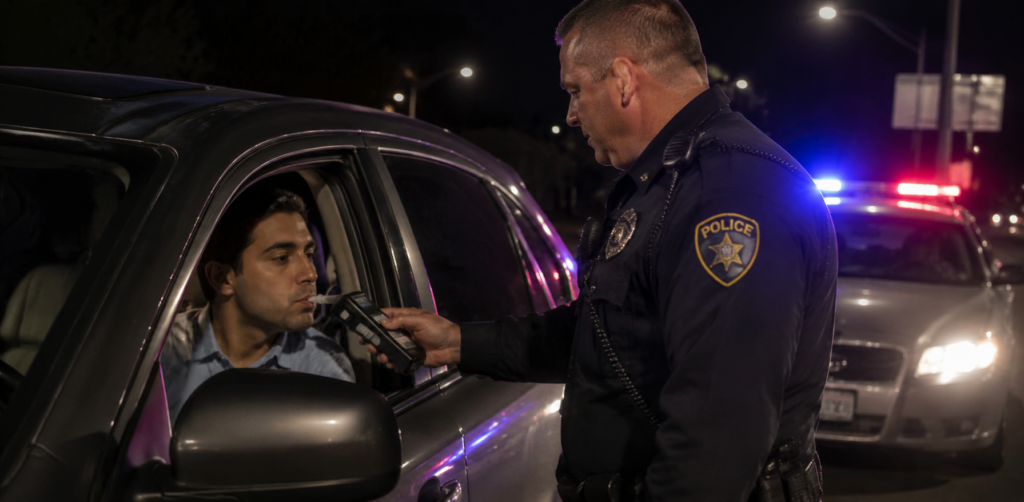
Under NRS 484C.110, it is unlawful for an adult driver to operate a vehicle with a blood alcohol concentration of 0.08% or higher. Lower thresholds apply to commercial drivers and to drivers under 21 under separate provisions of Nevada law. Exceeding these limits triggers criminal charges, but those numbers also carry significant weight in a personal injury lawsuit. Evidence of intoxication — including BAC results and observations from police officers who conduct field sobriety tests — gives a plaintiff strong proof of duty, breach, and causation in a civil claim.
Civil liability and criminal DUI consequences are separate under Nevada law. A criminal conviction can help your civil injury claim, but you don’t need one to sue. Victims can seek compensation for medical bills and lost wages, along with future medical care, pain and suffering, emotional trauma, and property damage. In fatal crashes, families may pursue a wrongful death claim for funeral costs, lost income, and loss of companionship.
Nevada also allows punitive damages in DUI cases without the limits that apply to other injury claims. Under NRS 42.010, punitive damages are available when a driver caused injury by operating a vehicle in violation of Nevada’s DUI statutes after willfully consuming or using alcohol or another substance. The statute expressly provides that the general punitive damages framework and caps in NRS 42.005 do not apply to these claims, which makes them a powerful tool in drunk driving accident cases.
Can You Sue the Bar? Nevada’s Dram Shop Law
Most people assume the bar or casino that kept serving drinks shares the blame. In most states, that’s at least partially true. Not in Nevada.
Under NRS 41.1305, licensed establishments in Nevada are generally shielded from liability if they overserve an adult patron. A bar, restaurant, nightclub, or casino that serves someone who is visibly intoxicated, even obviously so, is immune from a civil claim when the patron is 21 or older. This immunity holds regardless of how much the establishment served or how clearly impaired the patron appeared.
This makes Nevada unusual. In many states, bars face substantial exposure if they continue pouring for a patron who is obviously drunk and then drives. In Nevada, licensed vendors effectively walk away clean. If you were hurt in a Las Vegas drunk driving accident, this means you generally cannot sue the bar. However, an experienced attorney should still review the specific facts of your case.

The One Exception: Serving Alcohol to a Minor
There is one narrow exception to Nevada’s broad vendor immunity. Under NRS 41.1305(2), a private, unlicensed person (a social host) who knowingly serves, sells, or furnishes alcohol to someone under 21, or knowingly allows a minor to consume alcohol on property or in a conveyance they control, can be held civilly liable. Social hosts in Nevada can be held liable for serving alcohol to minors who cause accidents.
To succeed, a plaintiff must generally show:
- The host knew the person was under 21
- The host directly provided the alcohol or permitted its consumption on property they control
- The minor’s intoxication caused the injuries
- The resulting harm was foreseeable
Examples include a homeowner who lets underage guests drink at a party or someone who buys alcohol for a 19-year-old. If the minor then causes a car accident, the host faces potential legal liability.
Importantly, licensed establishments remain protected even when minors are served. The exception applies to unlicensed social hosts, not bars or casinos — a distinction that catches many people off guard.
How Fault Works in Nevada
Nevada follows a modified comparative negligence rule, sometimes called the 51% bar. Under NRS 41.141, you can recover damages as long as your share of fault is 50% or less. If you’re found 51% or more at fault, you recover nothing.
In drunk driving cases, the impaired driver almost always carries the majority of fault. A victim’s own actions — speeding, not wearing a seatbelt — might reduce the recovery percentage, but they rarely eliminate it entirely. Erratic and reckless driving while intoxicated is an overwhelming fault factor that negligent drivers can’t easily shift.

What to Do After a Drunk Driving Crash in Las Vegas
If you’ve been hit by a drunk driver in Las Vegas, these steps protect your health and your legal claim:
- Seek medical attention immediately. Even if you feel fine, get checked. Traumatic brain injuries are common in DUI accidents. Spinal cord injuries can result in permanent paralysis. Broken bones are frequently seen in drunk driving accidents, and internal injuries can be life-threatening. Immediate medical treatment creates the medical records you’ll need later.
- Call 911 to report the accident. This triggers a police investigation and ensures officers arrive to document the accident scene, gather evidence, and potentially conduct field sobriety tests. Police reports are critical evidence.
- Document the scene. If you can safely do so, take photos of visible injuries, vehicle damage, and road conditions, and collect contact information from any witnesses.
- Do not give recorded statements to insurance companies. Adjusters may contact you quickly. Politely decline until you have legal guidance. Anything you say can be used to reduce your claim.
- Preserve all evidence. Keep every medical bill, prescription receipt, and record of lost wages. Psychological trauma like PTSD can follow a DUI crash — document emotional injuries and any treatment for post-traumatic stress as well.
- Contact an experienced Las Vegas drunk driving accident attorney. Nevada’s statute of limitations for personal injury claims is two years under NRS 11.190(4)(e). Missing that deadline can bar your personal injury lawsuit entirely. The sooner you call, the stronger your position in the legal process.
Frequently Asked Questions
Generally, no. Under NRS 41.1305, licensed bars, restaurants, and casinos are protected from civil liability when they serve someone 21 or older — even if the patron was visibly intoxicated. Nevada’s dram shop law is one of the most protective in the country.
You can file a claim under your own uninsured/underinsured motorist (UM/UIM) coverage. Contact your own insurance company to report the accident and explore this option. An attorney can help you maximize what’s available through every applicable policy.
An unlicensed social host who knowingly furnished alcohol to a minor may be liable. Licensed establishments remain protected. The plaintiff must prove the host knew the person was underage and that the underage drinking caused the injuries.
Not necessarily. Nevada’s comparative negligence system allows fault to be shared. But in drunk driving collisions, the intoxicated driver nearly always carries the overwhelming majority of fault. Your recovery is reduced by your percentage of fault, and you’re barred only if you’re 51% or more responsible.
You have two years to file a personal injury claim in Nevada under NRS 11.190(4)(e). The same deadline applies to wrongful death claims. Missing it can permanently bar you from recovering compensation.
Yes. Nevada law allows punitive damages in DUI cases under NRS 42.010 when a driver willfully consumed alcohol or another substance and then caused injury while driving in violation of Nevada’s DUI laws. Unlike standard punitive damages, these are not subject to the usual caps — they’re designed to punish especially reckless conduct.

Jeff Temple
Personal Injury Lawyer
Hurt by a Drunk Driver in Las Vegas? Talk to Temple Injury Law
If you were injured in a Las Vegas drunk driving crash, you may have questions about who can be held responsible and how to recover compensation for your losses. At Temple Injury Law, we help injured people understand their options after serious motor vehicle accidents caused by a drunk driver.
Our team can review the facts of your case, explain the legal process, and help you understand potential sources of compensation for medical expenses, lost wages, and other damages. Contact us for a free consultation.
