Managing debt and avoiding bankruptcy after a car accident starts with acting quickly to control medical bills, protect your income, and pursue compensation through an insurance claim or personal injury case. A car accident often creates sudden financial pressure. Medical treatment begins immediately, but income may stop if injuries prevent you from working. Bills continue to arrive, including hospital charges, follow-up care costs, and credit card balances used to cover daily expenses. Without a plan, debt can grow quickly and affect your credit score, financial stability, and long-term financial independence.
At Temple Injury Law, we help injured people in Las Vegas who are dealing with debt after serious accidents. Jeff Temple, a personal injury lawyer with years of experience representing accident victims, has helped clients pursue compensation that covers accident-related expenses. In our experience, early legal action helps clients reduce financial pressure, avoid long-term debt, and protect their rights.
If medical bills and debt are building after your accident, contact Temple Injury Law for a free consultation. We help injured clients pursue compensation so they can regain control of their finances after an accident.
Why Does Debt Grow So Quickly After a Car Accident, Even if You Have Insurance Coverage?
Debt grows quickly after a car accident, even if you have insurance coverage, because insurance does not pay everything immediately or in full. Several financial gaps can appear at the same time:
- Insurance payments are delayed: Insurance companies investigate claims before approving payment. This process can take weeks or months. During that time, medical providers still send bills and expect payment.
- Insurance coverage has limits and exclusions: Health insurance and auto insurance often cover only part of your medical expenses. You may still owe deductibles, co-payments, or treatments that are not fully covered.
- Lost income makes it harder to pay existing bills: If your injuries prevent you from working, your income drops. Without a steady income, it becomes harder to pay rent, credit card bills, car loan payments, and other monthly obligations.
- Medical treatment continues after the accident: Serious injuries often require follow-up care, physical therapy, medications, or ongoing treatment. These additional medical bills increase your total debt over time.
- Everyday expenses continue even during recovery: You still need to pay for housing, utilities, transportation, and food. Without full income or immediate compensation, people often rely on credit cards or loans, which increases debt.
- Insurance settlements usually come later, not immediately: Personal injury compensation often arrives after negotiations or legal action. Until then, many accident victims carry the financial burden themselves.
How Does a Personal Injury Claim Help Reduce Financial Pressure?
A personal injury claim allows injured people to pursue compensation for accident-related losses. This compensation can cover medical bills, lost income, and other expenses tied to the crash. Compensation in a car accident claim may include:
- Medical expenses from past and future treatment
- Lost wages and reduced earning ability
- Property damage and car repair costs
- Pain and suffering
- Ongoing care costs
When handled properly, a personal injury claim can prevent debt from becoming permanent. Compensation may allow you to pay off credit card balances, medical debt, and personal loans related to the accident.
Insurance companies often delay payments or offer low settlements. An experienced attorney helps protect your right to fair compensation. This support improves your chances of recovering enough to reduce debt and regain financial stability.
What Should You Do First to Prevent Debt From Getting Worse?
- Keep records of every accident-related expense. Save bills, receipts, insurance claim documents, and payment notices. These records help prove damages in your legal case.
- Notify medical providers about your accident claim. Some providers may delay collection or agree to a payment plan while your claim is pending.
- Avoid charging large expenses to credit cards. High-interest debts grow fast. Using credit cards to cover medical expenses can increase your debt burden.
- Stay current on essential payments when possible. Protect your housing, car loan, and insurance coverage. These payments protect your financial life and personal belongings.
- Speak with an experienced attorney early. Legal support helps protect your rights and improves your chances of financial recovery.
Can You Negotiate Medical Bills and Payment Plans After an Accident?

Yes. Many medical providers offer payment plans or reduce balances, especially when injuries result from a car accident. Negotiation options may include:
- Setting up a manageable payment plan
- Requesting reduced charges
- Delaying payments during your legal process
- Negotiating lump sum reductions after settlement
Hospitals and clinics often prefer partial payment rather than no payment. This creates opportunities to reduce debt and make monthly payments more manageable. Your attorney may also negotiate medical liens. This can lower the amount owed after settlement and increase the funds available to you.
How Do Insurance Claims Affect Your Ability to Manage Debt?
Insurance plays a central role in financial recovery after a car accident. The at-fault driver’s insurance company may be responsible for covering damages. However, insurance companies often delay payment. This delay creates financial strain while bills continue to arrive.
Filing your insurance claim quickly and documenting your injuries strengthens your case. Legal representation helps prevent unfair settlement offers and protects your ability to pursue compensation. When compensation arrives, it can help pay off accident-related debt and improve your financial stability.
What Is a Debt Management Plan and Can It Help After an Accident?
A debt management plan is a structured repayment plan created through credit counseling to help people facing financial trouble, especially those who have been in a car accident or experienced another personal injury. When medical bills, medical expenses, legal fees, and lost wages create overwhelming medical debt and credit card balances, a certified credit counselor reviews your financial situation and combines multiple debts into a single monthly payment. This payment plan may lower interest rates, reduce monthly payments, and help manage unsecured debts like credit card bills, personal loans, or high interest debts.
After an accident, even with health insurance or a pending claim, victims often face ongoing financial strain. A debt management plan can support managing debt and avoiding bankruptcy post accident, provide temporary relief, and help you regain control while you pursue compensation with an experienced attorney. Unlike risky debt settlement or debt consolidation loans, it promotes long-term financial recovery, protects your credit score, and helps restore financial stability and your financial future.
Is Debt Consolidation a Smart Option for Accident Victims?
Debt consolidation combines multiple high-interest debts into a single loan with one monthly payment. This may include credit card balances, medical debt, and personal loans.
Benefits may include:
- Lower interest rates
- One monthly payment instead of multiple debts
- Easier financial management
However, debt consolidation loans require careful evaluation. High interest loans can increase your total debt if the terms are unfavorable. A financial counselor can help you evaluate options and avoid long-term financial problems.
Can Bankruptcy Affect Your Injury Claim and Financial Future?
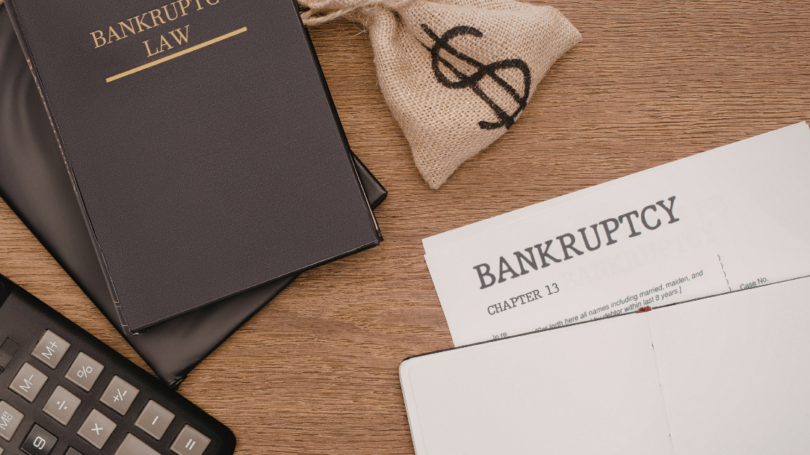
Yes, bankruptcy can affect your injury claim and your financial future under Nevada law, but the impact depends on when the injury occurred, when the claim was filed, and the type of bankruptcy you pursue. In Nevada, a personal injury claim is considered a legal asset.
If you file for bankruptcy after your injury occurred but before your claim is resolved, the claim becomes part of your bankruptcy estate. This means the bankruptcy trustee may have the authority to review, manage, or even control the claim, and any settlement or verdict could be used to pay your creditors before you receive any remaining funds.
Nevada law does provide certain protections through exemptions. NRS 21.090 allows you to exempt compensation for personal bodily injury up to a specific amount, which means a portion of your settlement may be protected from creditors. However, amounts that exceed the exemption limit may still be subject to creditor claims. The exact outcome depends on the details of your case, including the value of the claim, the type of damages awarded, and whether you filed Chapter 7 or Chapter 13 bankruptcy. Chapter 7 may involve liquidation of non-exempt assets, while Chapter 13 typically allows you to keep your assets and repay creditors over time through a structured plan.
Bankruptcy can also affect the timing and strategy of your injury claim. You are legally required to disclose any existing or potential personal injury claims in your bankruptcy filings. Failure to disclose the claim can lead to serious consequences, including loss of the claim or allegations of bankruptcy fraud. Proper disclosure ensures that your rights are preserved and helps avoid complications that could delay or reduce your recovery.
Because personal injury claims and bankruptcy law intersect in complex ways, it is important to work with experienced legal counsel who understands both areas. At Temple Injury Law, we help injured clients protect their rights and pursue the full compensation they deserve while coordinating with bankruptcy requirements when necessary. Our firm works to ensure your injury claim is handled properly so you can focus on recovery and protecting your financial future.
How Can Legal Representation Protect You From Long-Term Financial Damage?

Legal representation helps protect your rights and financial future. An experienced attorney manages communication with insurance companies and helps pursue fair compensation. The legal process improves your chances of recovering enough compensation to pay off medical expenses and reduce debt. Without legal representation, injured people may accept low settlements that fail to cover long-term costs.
Protect Your Financial Future Starts After an Accident With the Right Legal Support
Debt after a car accident creates real pressure, but there are solutions. With the right legal and financial steps, you can reduce debt, pursue compensation, and rebuild financial stability.
At Temple Injury Law, clients often share how legal support helped them during difficult times. One client, Stephanie Z., shared:
My experience with Jeff and team was great! They were very accommodating to my work schedule, which is just what you need after an accident with all of the doctor visits. I loved being able to send a text and getting a response in a timely manner. I would definitely call on them again if needed and will be referring anyone who needs help in the future.
If you are facing medical debt, lost wages, and financial pressure after a car accident, contact us today. Our personal injury lawyers clients pursue compensation so they can reduce debt and protect their financial future.

Jeff Temple focuses his practice in the area of personal injury. As a skilled personal injury attorney, he handles a broad range of cases including motor vehicle accidents, premises liability, and wrongful death. He is a graduate of the Radford University, he later attended the University of Miami School of Law and studied abroad at University College London. Upon graduating, Jeff relocated to Las Vegas and founded Temple Injury Law in 2022.
