
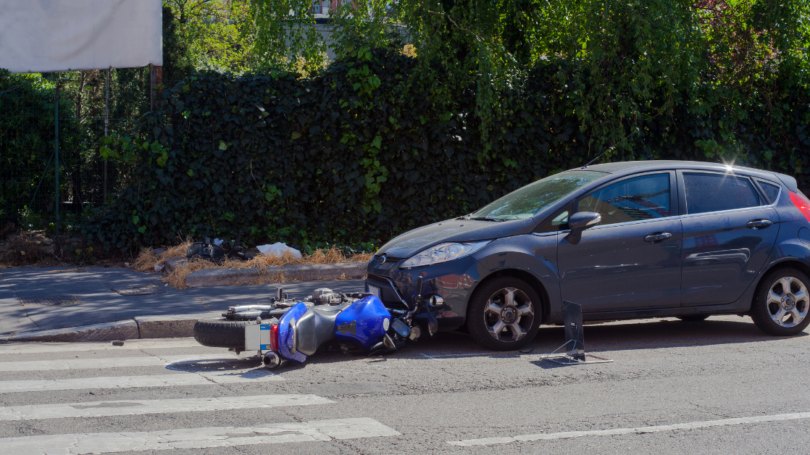
A scooter crash does not have to look dramatic to leave lasting damage. One hard slide across pavement can mean road rash embedded with debris, a fractured wrist from bracing the fall, or a blow to the head that does not seem serious until the headache, dizziness, or memory loss sets in later. That is what makes common scooter injuries, from road rash to TBI, easy to underestimate. The visible injury is often only part of the problem.
At Temple Injury Law, Attorney Jeff Temple and our team bring more than 20 years of experience to personal injury cases involving injured riders across Las Vegas. We focus on clear answers, practical next steps, and strong advocacy for people dealing with a scooter accident and the costs that follow. If you or a loved one got hurt in an electric scooter or e-scooter accident, contact us for a free consultation and get direct guidance on what to protect, what to document, and what to do next.
What Makes Scooter Crashes Cause More Than Minor Scrapes?
Unlike people inside a vehicle, riders do not have a seat belt, airbag, steel frame, or side-impact protection. That means the body often takes the full force of the fall.
An e-scooter accident can happen after a door opens into traffic, a car turns across a rider’s path, a pothole throws the front wheel, or a rider hits loose gravel and loses control. In many cases, the rider lands hard on the head, face, shoulder, hip, or hands. That is why the most common injuries range from road rash to fractures and traumatic brain injury.
In a crash, speed is only one factor. The surface matters. The angle of the fall matters. The point of contact matters. A rider can suffer serious injuries at a lower speed if the head strikes pavement or if the body twists in a way that damages the spine, wrist, ankle, or knee.
Which Scooter Injuries Show Up Most Often After a Fall or Collision?
Common scooter injuries, from road rash to TBI, usually fall into a few clear groups. Some are visible right away. Others take hours to show symptoms.
- Road rash is one of the most common injuries. It happens when skin slides across pavement. Mild road rash may heal with cleaning and bandaging. Deeper abrasions can damage several layers of skin, raise the risk of infection, and leave scarring. In severe cases, the affected area may need debridement or even a skin graft if a large patch of skin is lost.
- Broken bones are also common. When riders try to catch themselves during a fall, they often break a wrist, forearm, collarbone, ankle, or elbow. Some fractures heal with a cast. Others require surgery, plates, or screws. A rider may also suffer lacerations, sprains, bruises, and nerve damage in the same crash.
- Head injuries deserve special attention. A rider does not need to lose consciousness to suffer a traumatic brain injury. Concussions, skull fractures, and other traumatic brain injuries can happen when the head hits pavement, a curb, or another vehicle. The Centers for Disease Control and Prevention explains that a TBI is an injury that affects how the brain works, and even a mild concussion can cause serious symptoms such as headaches, dizziness, light sensitivity, confusion, and memory loss.
- Spinal cord injuries are less common than road rash or fractures, but they can be life-changing. A hard landing can damage the neck or back, especially if the rider is thrown over the handlebars or hit by a car. Signs of a possible spinal cord injury can include extreme back pain, numbness, weakness, trouble walking, or loss of bladder or bowel control.
- Craniofacial injuries can also occur in scooter crashes. Riders may suffer facial fractures, dental trauma, eye-area injuries, and deep cuts that require stitches or plastic surgery follow-up.
How Can You Tell If Road Rash Is More Serious Than It Looks?
Many people treat road rash like a simple scrape. That can be a mistake. Some abrasions affect only the top layer of the skin. Others go deeper, trap dirt and debris, and can lead to infection, nerve damage, or permanent scarring.
Signs that road rash may require prompt medical attention include:
- Severe pain
- Heavy bleeding
- Visible debris in the wound
- A large raw area
- Drainage
- Fever
- Spreading redness
When the skin injury covers a broad area, healing may take longer, and the risk of scar formation can rise. Medical sources note that abrasions usually need irrigation and wound care, but large-surface injuries can heal more slowly and may scar.
Road rash can also hide deeper trauma. A rider may focus on burning skin pain and miss a wrist fracture, shoulder injury, or concussion. That is one reason medical care matters after a scooter accident. A full exam can uncover injuries that are not obvious at the scene.
When Does a Scooter Accident Raise Concern for TBI or Spinal Trauma?

Head and spine injuries do not always look dramatic in the first few minutes after a crash. A rider may stand up, feel embarrassed, and try to walk it off. Then the following symptoms start to build.
- A headache that gets worse, repeated vomiting, slurred speech, confusion, balance problems, unequal pupils, increasing drowsiness, or loss of consciousness can point to a concussion or more severe traumatic brain injury.
- Neck pain, severe back pain, numbness, weakness, loss of coordination, trouble breathing, or loss of bladder or bowel control can point to spinal cord injuries and need urgent evaluation.
These are not symptoms to monitor at home without guidance. Emergency care may be needed right away. A delayed response can make recovery harder and can give insurers room to argue that the injury was not serious.
Helmet use can reduce the risk of some head injuries, but a helmet does not prevent every traumatic brain injury. Riders should still seek medical attention after any head strike, confusion, or memory loss. Wear helmets, follow traffic laws, and use other protective gear, but do not assume that protective gear eliminates the chance of serious injuries.
Why Do Scooter Claims Often Become Harder Than People Expect?
A scooter injury claim can look simple at first. Then the facts get messy. The at-fault party may be a driver, another rider, a property owner, a company that placed scooters in a dangerous area, or a public entity responsible for road conditions. Some crashes involve multiple causes.
That creates unique challenges. A rider may be blamed for speeding, riding outside a bike lane, or not wearing a helmet. A driver may claim the rider appeared out of nowhere. A store or property owner may refuse to give notice of a dangerous surface. If the scooter malfunctioned, the case may involve maintenance records or product issues.
At the same time, the injured person is trying to manage pain, treatment, and lost wages. Medical expenses grow quickly. Imaging, follow-up visits, physical therapy, wound care, and surgery can make a scooter accident much more expensive than people expect. If the rider cannot work, the claim may also involve lost income and future earnings loss.
That is why early proof matters. A strong claim often depends on scene photos, witness information, medical records, helmet damage, app data, and records tied to the scooter ride or vehicle involved.
What Should You Do in the Hours and Days After a Scooter Accident?
After a scooter accident, take these steps as soon as you can:
- Get medical attention, follow treatment instructions, and return for follow-up care if symptoms change.
- Gather evidence, including photos of the scooter, pavement, visible injuries, traffic signs, vehicle damage, and the surrounding area.
- Report the crash if a motor vehicle was involved or if the collision happened on commercial property.
- Keep damaged clothing, the helmet, and receipts for medical expenses and out-of-pocket costs.
- Avoid giving a recorded statement before you understand the full extent of your injuries.
- Talk with a personal injury lawyer if serious injuries, head trauma, fractures, or long-term symptoms are involved.
These steps protect both health and proof. A claim is harder to pursue when the rider waits days to seek care, throws away damaged gear, or leaves without identifying witnesses.
What Compensation Can Follow a Serious Scooter Injury Claim?
A serious scooter injury can lead to losses that extend far beyond the initial ER bill. In a personal injury claim, seeking compensation usually means looking at the full effect of the crash, not just the first week of treatment.
That may include medical bills, future medical expenses, lost wages, reduced earning ability, pain, scarring, and other losses tied to the injury. Someone with road rash may need wound care and scar treatment. Someone with broken bones may require surgery and rehab. Worst case, a person with traumatic brain injuries may need imaging, follow-up care, work restrictions, and support for lasting symptoms.
The amount of compensation depends on the facts, the available insurance, the strength of the medical proof, and how clearly the claim shows fault and damages. It also depends on how well the injured rider documents the path from crash to treatment to recovery.
How Can Riders Lower Risk Before the Next Trip Starts?
No one can control every driver or every road hazard. Still, riders can lower risk with basic habits that matter.
Start with helmet use. A helmet cannot prevent every head injury, but it remains one of the smartest forms of protective gear. Riders should also use other protective gear when practical, stay visible, slow down near intersections, watch for opening car doors, and avoid rough pavement or areas with heavy foot traffic. An electric scooter may feel easy to ride, but it reacts fast to cracks, curbs, sand, and sudden braking.
It also helps to treat scooters like real traffic participants. Follow traffic laws, stay alert around pedestrians, and do not assume drivers see you. Many scooter accidents occur in the space between what a rider expects and what traffic actually does.
Get Legal Help After a Scooter Injury
A scooter crash can leave a person dealing with pain, treatment, work loss, and a lot of questions in a very short time. Some injuries heal with basic care. Others affect memory, mobility, income, and daily life for much longer than expected. The smart move is to take every head injury, deep abrasion, and severe pain seriously from the start.
At Temple Injury Law, we know that a scooter accident claim is about more than paperwork. It is about getting answers, protecting evidence, and putting a clear value on the injury’s cost to you. If you or a family member was injured in a scooter accident, contact us for a free consultation. We can help you understand your rights and the next step to pursue compensation.

Jeff Temple focuses his practice in the area of personal injury. As a skilled personal injury attorney, he handles a broad range of cases including motor vehicle accidents, premises liability, and wrongful death. He is a graduate of the Radford University, he later attended the University of Miami School of Law and studied abroad at University College London. Upon graduating, Jeff relocated to Las Vegas and founded Temple Injury Law in 2022.

