
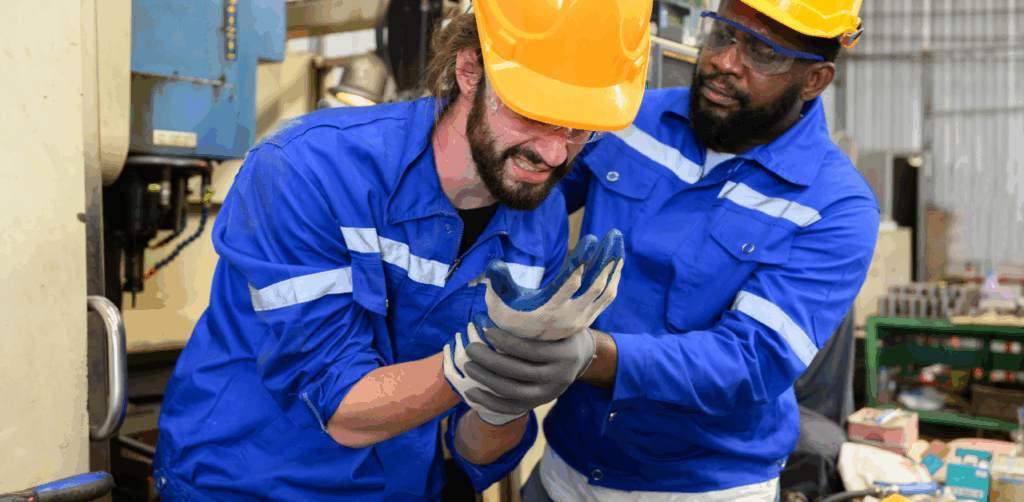
Workplace and construction site accidents continue to cause serious injuries and fatalities across the United States. These incidents affect construction workers, their families, and entire communities. Construction sites remain among the most dangerous job sites due to heavy machinery, physical labor, power tools, high elevations, and exposure to hazardous materials.
At Temple Injury Law, we represent workers whose lives were changed by construction accidents that should have never happened. Our firm is led by Jeff Temple, a personal injury lawyer with years of experience handling complex workplace injury claims involving construction companies, subcontractors, and insurers. We have seen how serious injuries from job site accidents affect not only a worker’s health, but also their ability to earn a living and support their family.
If you were injured on a construction site or hurt at work, early legal guidance can protect more than a claim. We offer free consultations so injured workers can understand what went wrong, who may be responsible, and what steps to take next.
The Scope of Workplace and Construction Site Accidents in Las Vegas
The construction industry consistently ranks among the most hazardous sectors in the United States. According to labor statistics from the Bureau of Labor Statistics, construction accounts for roughly one in five fatal occupational injuries nationwide. Falls, strikes by objects, and contact with machinery remain the leading causes of serious injuries and even fatalities on construction sites. While some reports show a slight decrease in certain categories, the overall risk remains high for most workers, especially those exposed to heavy objects, power lines, and unsafe working conditions.
Why Construction Sites Present Unique Dangers
Construction sites change daily. Crews rotate, structures rise, and working conditions shift. These factors create unique dangers that require strict adherence to safety protocols. Common risk factors include:
- Heavy machinery operating in close quarters
- Workers lifting heavy objects or working in awkward positions
- High winds are affecting cranes and scaffolding
- Poor visibility on active job sites
- Electrical hazards from exposed wiring and nearby power lines
- Flammable materials and harmful substances are stored improperly
Without clear safety measures, even experienced workers face increased risk. When construction companies fail to provide workers with proper training and equipment, accidents become far more likely.
Leading Causes of Construction Accidents
Falls From Heights
Falls remain the leading cause of construction fatalities. Nonfatal falls also account for a large portion of workplace injuries. Workers fall from ladders, scaffolds, roofs, and concrete floor openings. In many cases, guardrails, harnesses, or lateral support systems were missing or improperly installed.
Struck By Accidents
Struck by incidents occur when workers are hit by falling tools, materials, or moving equipment. According to data, workers involved in accidents account for nearly 8 percent of construction fatalities. These incidents often involve cranes, forklifts, or unsecured loads.
Caught In or Between Machinery
Crush injuries occur when workers are caught between heavy machinery, walls, or collapsing materials. Crane operator errors, improper use of power tools, and failure to maintain safe distance zones increase this risk.
Electrical Hazards
Electrical hazards remain a serious threat, especially on large construction sites. Contact with live wires, overhead power lines, or damaged equipment can result in severe injuries or fatalities. Improper grounding and a lack of lockout procedures are frequently to blame for these incidents.
Common Construction Injuries
Workplace injuries in construction range from minor to catastrophic injuries. Many workers suffer harm that permanently alters their ability to earn a living.
Frequent construction injuries include:
- Traumatic brain injuries from falls or struck by incidents
- Crush injuries involving heavy machinery
- Severe burns from electrical hazards or flammable materials
- Spinal cord injuries cause paralysis
- Muscle strains from lifting heavy objects
- Fractures from falls or collapsing structures
- Exposure-related illnesses caused by hazardous materials and harmful substances
Some injuries require long-term medical care and rehabilitation. Others lead to fatal injuries that leave families seeking answers and accountability.
Occupational Safety and Health Administration Standards
The Occupational Safety and Health Administration, often called OSHA, sets standards to ensure worker safety. These OSHA standards require construction companies to:
- Provide personal protective equipment
- Train workers on equipment use and hazard recognition
- Maintain safe working conditions
- Create emergency response plans
- Address electrical hazards and fall protection
- Improve visibility and secure job sites
Failure to meet occupational safety and health requirements places workers at unnecessary risk. OSHA inspections often reveal repeated violations involving falls, scaffolding, ladders, and machinery safeguards.
The Role of Personal Protective Equipment
Personal protective equipment plays a direct role in reducing workplace injuries. Hard hats, safety harnesses, gloves, eye protection, and high-visibility clothing help protect workers from common hazards.
Problems arise when:
- Equipment is outdated or damaged
- Workers are not trained to use it
- Employers fail to provide the required gear
- PPE is ignored to speed up the job
Safety protocols only work when workers understand them, and employers enforce them consistently.
How Poor Safety Planning Leads to Accidents
Many construction accidents stem from inadequate safety planning. When construction companies rush timelines or cut costs, safety often suffers.
Warning signs include:
- Lack of written safety measures
- Failure to train workers on new tasks
- Inadequate supervision on job sites
- Improper storage of hazardous materials
- No safe distance guidelines for heavy machinery
- No plan for high winds or changing weather
Construction injuries increase when safety is treated as an afterthought rather than a daily priority.
Workplace Injuries Beyond Construction Sites
While construction sites present higher risks, workplace injuries occur in other industries as well. Manufacturing, warehousing, and transportation jobs also involve heavy machinery, physical labor, and hazardous materials.
Occupational injuries in these settings often involve:
- Power tools and machinery malfunctions
- Lifting injuries and muscle strains
- Crush injuries involving forklifts
- Exposure to harmful substances
- Falls on slick or uneven surfaces
Regardless of the job, employers have a duty to provide safe working conditions and follow safety standards.
Worker Rights After a Construction Accident
After a workplace or construction accident, injured workers often feel pressure to return to work too soon. Some fear retaliation or job loss. Others struggle with medical bills and lost wages.
Workers have the right to:
- Seek medical care immediately
- Report injuries without punishment
- Receive accurate information about benefits
- Hold responsible parties accountable when negligence is involved
In serious cases involving third-party negligence, additional claims may exist beyond basic workplace benefits.
Why Legal Guidance Matters After Serious Injuries

Construction accidents often involve multiple parties. Contractors, subcontractors, equipment manufacturers, and property owners may all play a role. Sorting through responsibility takes time and experience
Legal guidance helps injured workers understand:
- Who may be responsible for the accident
- What compensation may be available
- How to protect their rights during recovery
- How to avoid mistakes when dealing with insurers
Clear advice allows workers and families to focus on healing while their case moves forward.
Consult an Experienced Attorney for Legal Support After a Workplace and Construction Site Accident
Many injured workers face long recoveries, uncertainty about income, and questions that employers or insurers cannot easily answer. At Temple Injury Law, we approach these cases with care and respect for the experiences of injured individuals and their families.
We believe injured workers deserve straightforward guidance and access to proper medical care, along with accountability from those responsible for unsafe conditions. Our work focuses on helping clients understand each step of the process and making sure their concerns are addressed as their cases move forward.
One client, Michael E, described their experience this way:
I can’t say enough good things about Jeff from Temple Injury Law and his team! From the very beginning, he was upfront, honest, and made sure I understood every step of the process. He set me up with excellent doctors, ensuring I got the care I needed after my car accident. Throughout the entire case, he stayed true to his word and fought to get me a great settlement. If you need an attorney who is professional, knowledgeable, and genuinely looks out for you, I highly recommend Temple Injury Law!
If you were injured on a job site or in a workplace incident, we are available to discuss your situation during a free consultation. We are prepared to listen, explain your options clearly, and help you decide what steps make sense for your circumstances.
