

You came to Las Vegas to relax, celebrate, or take a break from everyday life. Maybe it was a weekend on the Strip, a convention downtown, or a road trip through Southern Nevada. You probably were not thinking about local traffic, speed limits, or how aggressive Las Vegas drivers can be. Then the accident happened, and suddenly the trip changed.
Now you are dealing with things no visitor plans for. A damaged rental car. A trip to the ER instead of a show. Phone calls from insurance companies while you are still trying to figure out what happened. For many visitors, the hardest part is being hurt in a city that is not home, with no clear idea of what steps to take next.
This guide was created for that exact situation. It explains how accidents in Las Vegas commonly happen, where tourists face higher risks, what to do at the accident scene, and how insurance claims and personal injury laws work when you are from out of state.
At Temple Injury Law, we regularly help visitors who were injured while traveling through Las Vegas. Our firm is led by Jeff Temple, a personal injury lawyer with years of experience handling car accident claims across Clark County. We know how overwhelming it feels to deal with injuries, paperwork, and insurance adjusters when you just want to get home and recover.
If your Las Vegas trip ended with an accident, a free consultation can help you understand your options before insurance companies start making decisions for you.
Why Accidents in Las Vegas Affect Tourists More Often
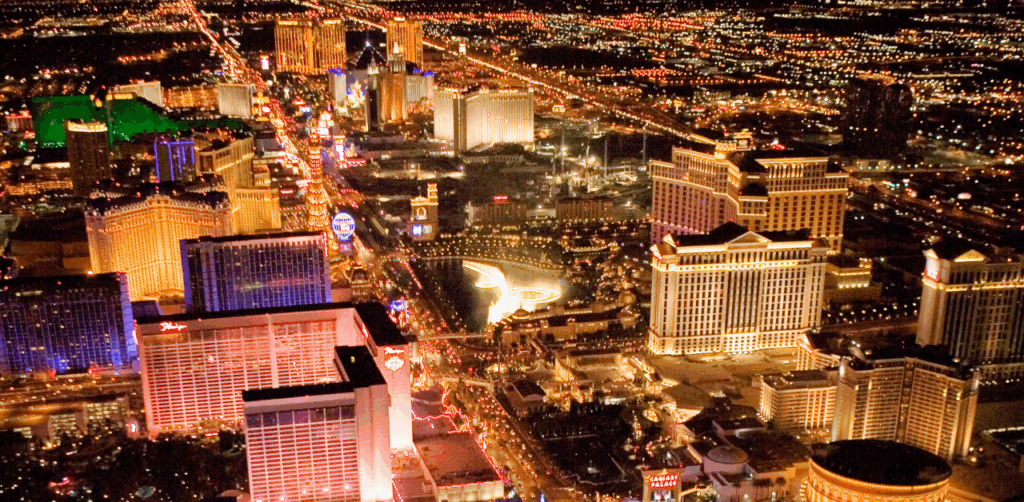
Las Vegas has traffic patterns unlike most cities. Visitors often underestimate how busy the roads become, especially near entertainment venues and resort corridors.
According to Safe Roads USA, Clark County reports thousands of traffic accidents every year, including a high number of injury and fatal crashes relative to its population. Many occur in areas packed with tourists.
Several factors raise accident risks for visitors:
- Heavy traffic on unfamiliar roads
- Complex traffic patterns near casinos and resorts
- Sudden lane changes by rideshare drivers
- Distracted driving from navigation apps
- Impaired driving late at night
- Aggressive driving behaviors during rush hours
Local Las Vegas drivers often expect quick decisions. Tourists may hesitate, miss turns, or slow suddenly, which increases rear-end collisions and side-impact crashes.
High-risk and Dangerous Roads and Intersections in Las Vegas
Las Vegas is known for its bright lights and busy streets—but those same streets can also be risky. Because the city is laid out in a grid, many major roads stretch across the entire valley. As a result, accidents tend to occur along these corridors, especially where traffic is heavy or where highways connect.
Unsurprisingly, some of the most dangerous areas are found near major freeways and popular routes used by both locals and tourists. Below are a few of the roads and intersections in Las Vegas with the highest accident rates.
I-15: A High-Traffic Hotspot
Interstate 15 is one of the most heavily traveled roads in Las Vegas. It runs alongside the Strip and serves as a key route connecting the city to Southern California and Utah. With constant congestion, it’s no shock that accidents are common.
Between Spring Mountain Road and Tropicana Avenue, this stretch of I-15 saw thousands of injury-related crashes over a recent multi-year period, along with a significant number of fatal accidents. Heavy tourist traffic, frequent lane changes, and busy exits all contribute to the danger.
The “Spaghetti Bowl” Interchange (I-15 & US-95)
Locals know the I-15 and US-95 interchange as the “Spaghetti Bowl,” and it has earned its reputation. With multiple ramps, merging lanes, and nonstop traffic, it’s one of the most confusing and hazardous spots in the city.
Over a few years, this interchange experienced thousands of injury crashes and several deadly ones. Drivers unfamiliar with the layout are especially at risk.
Flamingo Road: Strip Access with Serious Risks
Flamingo Road is a major east-west route that connects the Strip to residential neighborhoods. While convenient, it’s also one of the more dangerous surface streets in Las Vegas.
The section between Paradise Road and Eastern Avenue is particularly unsafe. High traffic volume, frequent intersections, and speeding have led to numerous injury crashes and a troubling number of fatal accidents.
Safe Driving Practices for Tourists in Las Vegas
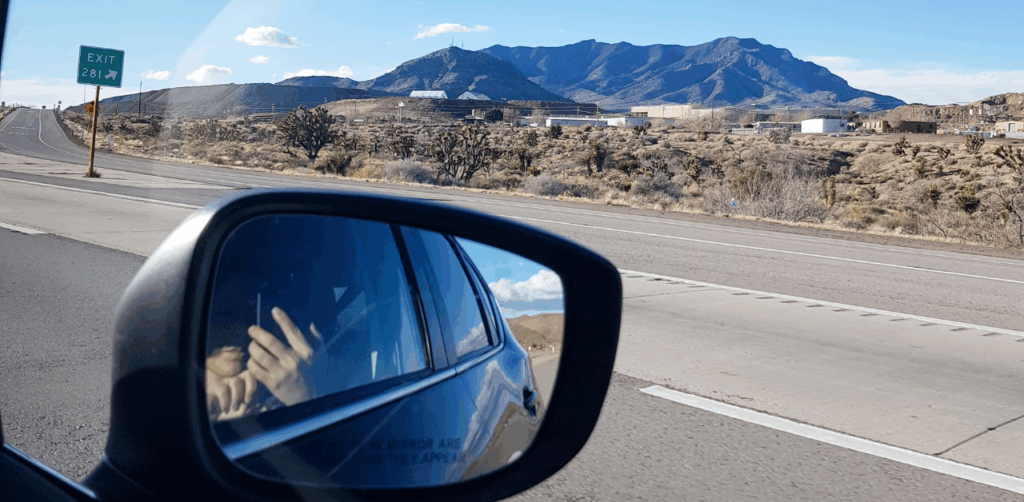
Driving in Las Vegas requires more attention than many visitors expect. Local roads carry a mix of tourists, delivery vehicles, rideshares, taxis, and long-time Las Vegas drivers who move quickly and make decisions fast. Knowing what to expect can reduce accident risks, especially if this is your first time driving here.
1. Plan routes before driving, not while moving
Many accidents involving visitors start with last-second decisions. Drivers suddenly slow down, drift across lanes, or stop short after realizing they are about to miss a turn on Las Vegas Boulevard or near a hotel entrance. Before leaving your hotel or rental property, review your route and know which lane you need early. Relying on navigation apps while driving through heavy traffic increases distracted driving and rear-end collisions.
2. Avoid sudden lane changes on major roads
Las Vegas roads, especially near the Las Vegas Strip and downtown Las Vegas, have short merge lanes and frequent access points for resorts and parking garages. Sudden lane changes often lead to side-impact crashes. Las Vegas drivers tend to assume surrounding vehicles will maintain speed and lane position. If you miss a turn, continue safely and reroute instead of cutting across traffic.
3. Expect aggressive driving behaviors during peak hours
Aggressive driving is common during rush hours, late nights, and weekends. Speeding, tailgating, and sudden lane shifts increase during these times. This is especially true near entertainment venues and major intersections. Keep an extra following distance and avoid engaging with aggressive drivers. Defensive driving lowers the chance of being pulled into someone else’s mistake.
4. Follow posted speed limits, even if traffic moves faster
Many visitors feel pressured to match the speed of local traffic. Speed limits on Las Vegas roads are enforced, and speeding increases the severity of injuries in a crash. On roads like Sahara Avenue or near freeway connectors, higher speeds combined with heavy traffic raise the risk of serious accidents.
5. Be cautious during rush hours and event traffic
Morning and evening rush hours bring heavy congestion across Clark County. Traffic slows suddenly, and stop-and-go patterns increase rear end collisions. Event traffic near concerts, sporting events, and conventions adds another layer of unpredictability. Allow extra time and avoid weaving through lanes to save a few minutes.
6. Stay alert near entertainment venues and hotel corridors
Pedestrians often cross outside marked areas near casinos, hotels, and restaurants. Rideshare vehicles stop unexpectedly to pick up or drop off passengers. Tour buses may block lanes without much warning. These conditions make the accident scene unpredictable, especially for drivers unfamiliar with local traffic patterns.
7. Use defensive driving, not assumptions
Do not assume other drivers will follow traffic signals or yield properly. Las Vegas has a high volume of impaired driving incidents, particularly at night. Treat green lights cautiously, watch cross traffic at intersections, and be prepared for sudden lane changes from other drivers.
When a Personal Injury Claim Becomes Necessary
A personal injury claim often becomes necessary when the effects of the accident do not fade as expected. You may need to take action if your injuries require ongoing medical treatment, follow-up visits, or physical therapy after you leave Las Vegas. Medical bills can arrive weeks later, sometimes from providers you did not even realize were involved. For many visitors, the financial impact grows once time away from work turns into lost income or unpaid leave.
Insurance issues also push cases in this direction. Insurance companies may question the seriousness of injuries, delay the claims process, or shift blame onto the injured person, especially when the other driver knows you live out of state. When a fault is disputed or compensation does not reflect the real cost of the accident, filing a personal injury claim becomes the only way to protect yourself.
The process does not have to wait until you return home. Legal steps can begin while you are still in Las Vegas or continue after your trip ends, with communication handled remotely. The goal is not to create conflict, but to make sure the accident does not leave you paying for someone else’s mistake long after your vacation is over.
How Legal Support Helps Injured Tourists
Legal support goes beyond filing paperwork. It includes reviewing accident reports, communicating with insurance companies, and gathering evidence such as traffic camera footage and witness statements.
Legal guidance also helps tourists understand:
- Their rights under Nevada law
- How fault affects compensation
- What damages may be recovered
- How long will the process take
Call Our Las Vegas Car Accident Lawyer After Getting Injured as a Tourist
At Temple Injury Law, we take that responsibility seriously. We work closely with injured visitors so they always know what is happening with their claim, what information is needed, and what to expect as the process moves forward. We believe that communication and careful attention to detail make a real difference, especially for clients who are not local.
That approach is reflected in the experience shared by one of our clients, Amanda A.:
Temple Injury Law was fantastic. Not only did Jeff make himself available when needed but my case manager Sandra was always communicating with me. That was the nice part about this whole case, the communication of every step a long the way. My case got resolved fairly quickly and I have no complaints as to how I was taken care of through out!
If you were injured while visiting Las Vegas and need reliable legal guidance, we are here to help. Contact us for a free consultation to review your situation, answer your questions, and help you decide on the next steps with clarity and confidence.

Jeff Temple focuses his practice in the area of personal injury. As a skilled personal injury attorney, he handles a broad range of cases including motor vehicle accidents, premises liability, and wrongful death. He is a graduate of the Radford University, he later attended the University of Miami School of Law and studied abroad at University College London. Upon graduating, Jeff relocated to Las Vegas and founded Temple Injury Law in 2022.

