

Trucking in the Las Vegas region presents unique challenges. From busy corridors like the Interstate 15/I-515/U.S. Route 95 system to the urban grid of the Las Vegas Strip, heavy traffic, commercial vehicles, complex traffic patterns, and the potential for serious injuries or fatalities all combine to raise the accident risk. This article covers key trucking routes, hazard zones, causes of truck accidents in Las Vegas, and what drivers, trucking companies, and other motorists should know.
Trucking Corridors Around Las Vegas
Several major highways and roads serve commercial trucks in the Las Vegas area. The volume of freight traffic is significant and poses both logistical and safety challenges.
Primary freight routes
- Interstate 15 (I-15) runs north-south through the Las Vegas valley and is a major lifeline for long haul truck drivers moving between Southern California and Utah.
- U.S. Route 95 (US-95) cuts through the region and is featured prominently in the state’s freight-planning documents.
- I-515 and US-93 connectors link to I-15 and serve freight traffic entering the Las Vegas metro area.
Urban and local trucking routes
Within the Las Vegas metro area, key arterials include Lake Mead Boulevard, Flamingo Road, Eastern Avenue, and the system around Las Vegas Boulevard (which includes the Strip). These roads often carry a mix of large trucks, rideshare shuttles, tourists, local traffic, and commercial vehicles.
Freight-specific constraints
The state’s freight/transportation plan reveals “bottleneck” locations where truck traffic is disproportionately high. For instance, the interchange of I-15 and I-515 in Las Vegas is highlighted as one of the top truck freight delay zones. Also, the Nevada Department of Transportation (NDOT) monitors freight flows and vehicle classification data along these corridors.
Hazards Specific To Trucking Around Las Vegas
Trucking hazards in the Las Vegas area stem from route design, heavy traffic, driver behavior, load issues, mechanical failures, and environmental/urban conditions. Below, we explore each category and tie them to the local context.
Traffic congestion and mixed-use zones
Las Vegas roads often carry dense local traffic, tourist traffic, commercial traffic, and large-truck traffic simultaneously. According to a Safe Roads USA, the Las Vegas metro had about 50,312 injury crashes across a two-year period, which averages nearly 16,800 per year.
Heavy tourist traffic around the Strip complicates trucking routes. A truck driver entering or exiting a freeway ramp may encounter slower local traffic, shuttle buses, rideshares, erratic lane changes, or sudden stops. These conditions increase the risk of rear end collisions, rollovers, and sideswipe incidents.
Long haul fatigue and driver behavior
Many truck drivers cover long distances through Nevada and beyond. Driver fatigue remains a known hazard. When a driver is tired, reaction time slows, distraction increases, and the ability to maintain control declines. In addition, distracted driving (for example, mobile phone use, navigation adjustments) compounds the danger.
Inadequate load securing, improper loading, and rollover risk
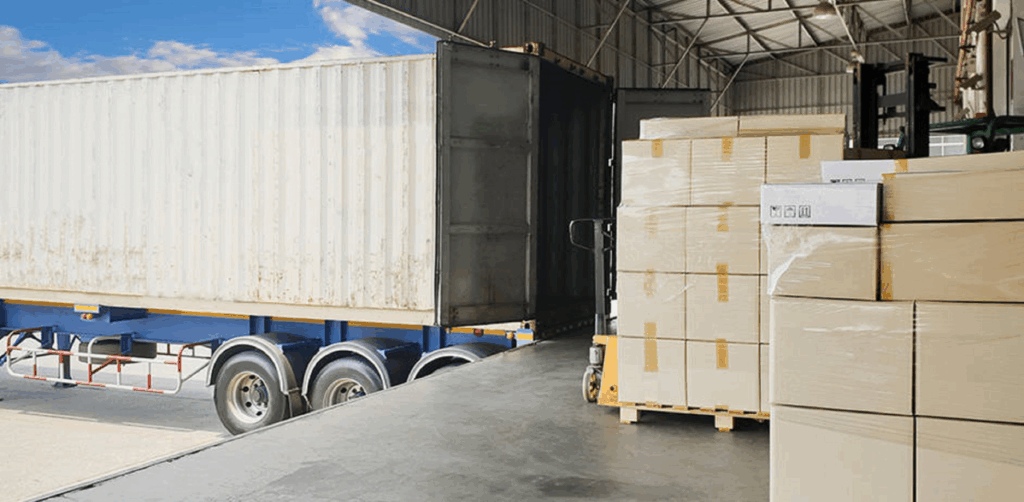
Large trucks must secure cargo properly. Improper loading or unsecured loads can shift during braking or turning, leading to rollovers. In Las Vegas and Nevada generally, such issues are regularly cited in truck collisions involving serious injuries. For example, under-inflated tires or uneven weight distribution are frequent factors in tire blowouts and jackknife events.
Mechanical failures, brake issues, and tire blow-outs
Commercial vehicles require regular maintenance. Brake failures, poorly maintained suspensions, and tire blowouts can result in serious accidents. At high speeds on highways like I-15 or US-95, loss of control by a heavy commercial vehicle can produce catastrophic consequences, given the size and momentum of a large truck.
High-speed segments, urban-rural transitions, and route design
Truck drivers in the Las Vegas region may transition from high-speed freeway segments into dense arterial roads (such as via on-ramps, exits, interchanges). For example, the Interstate 515/US-93 corridor has a high proportion of truck traffic. According to the Department of Transportation‘s freight plan, one segment had a truck percentage of 17%. These transitions are hazard zones: sudden speed changes, merging vehicles, lane drops, and heavy traffic. Thus, they increase the probability of a collision.
Environmental and local conditions
Las Vegas roads are exposed to desert conditions. These include:
- High temperatures cause tire pressure changes
- Wind gusts may affect high-profile vehicles
- Daytime glare or nighttime lighting (around the Strip) affects visibility
Local tourist traffic means more frequent stops, unfamiliar Las Vegas drivers, and tow trucks/parking buses, all of which can disrupt the expected traffic flow and increase the risk of accidents for other drivers and truck drivers alike.
Common Types of Trucking Accidents in Las Vegas
Below are some of the most frequent crash types involving large trucks in the Las Vegas metro area, along with details and legal/ safety implications.
Rear-end collisions
These occur when a truck strikes another vehicle from behind. Contributing causes include sudden stops (due to local traffic), a distracted truck driver, brake failure, or inadequate following distance. These collisions often cause severe injury, given the mass of commercial trucks relative to passenger vehicles.
Lane departure/sideswipe and rollover accidents
When a truck drifts out of its designated lane, it may collide with other vehicles or leave the roadway entirely. A shift in load, wind actuation, or driver lapse (due to fatigue/distraction) may trigger such events. Rollover accidents are hazardous for large trucks carrying heavy loads. Improper loading, high center of gravity, fast maneuvering, and abrupt steering can cause loss of control.
Tire blow-outs, mechanical failures, and fire or chemical releases
A blow-out or mechanical failure can lead to a truck veering off, jackknifing, or causing multi-vehicle collisions. Additionally, unsecured loads may shift, puncture tires, or release debris, creating a hazard for surrounding traffic.
Accidents in urban arterial zones and tourist corridors
The roads around the Las Vegas Strip, including Las Vegas Boulevard, experience heavy traffic from local cars, trucks, tourists, buses, and ride-sharing services. These conditions lead to sudden stops, frequent turns, pedestrian interaction, and a high risk of collisions.
Speed-related collisions and transitioning from freeway to local roads
High speeds on freeways, followed by rapid entry into urban or semi-urban zones, raise the risk of crashes when drivers misjudge conditions. Truck drivers entering arterial roads, such as Flamingo Road or Sahara Avenue, may encounter heavy cross traffic, stop-and-go conditions, and limited merge options. These transitions require full driver attention and well-maintained equipment.
Why These Hazards Matter for Injured Parties and Trucking Companies
For truck drivers, trucking companies, and other motorists, the consequences of a collision involving a commercial vehicle are significant. Understanding hazard zones and their causes helps with prevention, as well as with legal and insurance implications following an accident.
Serious injuries and fatal accidents
When a large commercial truck collides with a car or pedestrian, the risk of severe injury, traumatic brain injury (TBI), spinal-cord injury, or fatality is much higher than in typical auto accidents. For injured parties, quick medical attention is critical. For trucking companies and drivers, the legal exposure is high.
Accident risk increases liability and financial exposure
If a truck accident occurs because of driver fatigue, distraction, improper loading, mechanical failure, or route mismanagement, the driver and motor carrier may face serious legal consequences. Evidence such as electronic logging devices (ELDs), hours of service logs, maintenance records, and load securing records becomes central in any claim.
Impact on freight operations and traffic flow
Crashes involving large commercial trucks often block lanes, require extended clearance time, and disrupt traffic flow in major corridors. For example, a freeway jackknife can close multiple lanes for hours, affecting thousands of other drivers and increasing the risk of secondary collisions.f
Safe Driving Practices and Preventive Steps for All Parties
To significantly reduce the risk of a serious trucking accident in Las Vegas, both truck drivers and other road users should adhere to best practices.
For truck drivers and trucking companies:
- Adhere strictly to hours of service rules and use electronic logging devices (ELDs) for accurate tracking.
- Ensure proper securing of loads, maintain correct tire pressure, and check for signs of mechanical wear or brake problems.
- Maintain full control when transitioning from freeway to urban traffic. Slow down, be aware of merging cars, and anticipate stop-and-go demand.
- Minimize driver fatigue. Schedule rest, rotate drivers if possible, and avoid distractions (mobile phones, eating while driving).
- Adjust for weather and road conditions. The desert can produce high winds, extreme heat, glare, or sudden storms; on arterials like Lake Mead Boulevard or Sahara Avenue, conditions change rapidly.
- Monitor traffic flow and route congestion, and account for heavy tourist traffic on and around the Strip.
- Train drivers on hazard zones and interchanges known for truck bottlenecks (e.g., I-15/I-515). The state freight plan notes these bottlenecks.
For other drivers and general motorists:
- Give large trucks extra space. They need more distance to stop, make wider turns, and may have blind spots.
- Be aware of truck behavior on arterials. If you see a large truck merging or entering an exit ramp, anticipate slower speed or wider turns.
- Avoid sudden stops or lane changes near trucks. Such moves raise the chance of rear-end or sideswipe collisions.
- Do not assume a truck driver sees you. Pass with care, avoiding lingering alongside a large vehicle, especially when the truck is turning or merging.
- Take extra care in high-traffic zones, such as along Flamingo Road, Eastern Avenue, Lake Mead Boulevard, or the Las Vegas Boulevard corridor. Slow down and stay alert to complex traffic patterns and the presence of heavy freight.
What To Do if a Truck Accident Occurs on Las Vegas Roads
When a truck collision happens, the steps you take immediately can affect both safety and legal outcomes.
- Seek medical attention quickly, even if you feel okay. Some injuries (such as TBI or internal trauma) may not be immediately obvious.
- Call law enforcement and ensure the motor-carrier’s paperwork and driver logs are documented.
- Take photographs/videos of the scene. Positions of vehicles, skid marks, debris, load shift, tire condition, intersection layout (e.g., Eastern Avenue, Flamingo Road).
- Preserve evidence. Driver logs (hours of service), ELD records, truck maintenance records, load manifest, onboard camera footage, truck’s tire inflation and condition.
- Report to your insurance company, but avoid signing anything until you consult a lawyer if you have serious injuries.
- Contact legal assistance early. As many trucking collisions involve complex liability (crew schedules, maintenance issues, multiple parties, and company oversight), legal guidance is important.
- Avoid delaying action. In Nevada, the statute of limitations for most personal injury claims is two years from the date of the injury. Waiting too long may foreclose your rights.
Why This Matters to You
If you are a truck driver, a trucking company, or another motorist sharing the road with large commercial vehicles in the Las Vegas area, you cannot assume that standard driving conditions apply. Trucks bring added risk due to size, weight, mixed-use routes, fatigue, complex traffic, and urban/tourist zones. Recognizing those risk factors reduces the chances of a serious truck accident.
For injured parties, the consequences of collisions involving large trucks often include severe injuries, long-term rehabilitation, and complicated liability issues. Having an early and accurate understanding of how trucking routes, hazards, and driver/vehicle behavior interplay strengthens your position for seeking fair recovery.
Know Your Rights After a Truck Accident in Las Vegas
Safe trucking in Las Vegas is more than knowing the major highways. It requires awareness of how fast the city changes, how tourist traffic shifts by the hour, and how a single mechanical issue or moment of inattention can disrupt an entire corridor. The most prepared drivers and companies are the ones who plan for the road as it actually behaves, not how it appears on a map. That means building schedules around rest, inspecting equipment before every run, and treating every merge, ramp, and arterial as a shared space, not a race.
For motorists, the takeaway is simple: sharing the road with commercial trucks means adjusting expectations. A truck cannot stop, turn, or react as quickly as a passenger car can. Giving space and staying predictable does far more for safety than any roadside sign.
And for anyone injured in a truck collision, time is of the essence. Evidence disappears, companies move quickly, and insurance adjusters prioritize their own interests. Getting guidance early gives you control instead of leaving everything in the hands of a trucking company or insurer. But the most important thing is to consult a Las Vegas truck accident lawyer to handle every detail of truck accident cases.
If a truck accident has affected you or someone you love, you don’t have to sort out the legal and financial fallout alone. Schedule a free consultation with Temple Injury Law today.
Frequently Asked Questions (FAQs)
Are truck drivers in Nevada subject to special rules?
Yes. Commercial vehicle operators are required to follow federal hours-of-service rules and utilize electronic logging devices (ELDs). Trucking companies must comply with maintenance, load securing, and inspection regulations. Failure to comply can lead to liability in the event of an accident.
Can other drivers hold trucking companies accountable after a collision?
Yes. If a truck accident occurs because of improper loading, poor truck maintenance, driver fatigue, or route mismanagement, the trucking company (and possibly the carrier) can be held liable in Nevada for serious injuries or fatalities.
Which roads in Las Vegas are most hazardous for commercial trucks?
Urban arterials, such as Flamingo Road, Eastern Avenue, and Lake Mead Boulevard, as well as corridors around Las Vegas Boulevard/Strip, are high-risk due to mixed traffic, tourist vehicles, frequent stops, and merging zones. Freeway interchanges, such as I-15/I-515, are also significant truck-hazard zones.
What should I do if a truck accident has caused my injury?
Seek medical treatment first. Then document the scene (photos, witness statements, vehicle positions, road conditions). Preserve any available logbooks, load manifests, and inspection records. Contact a personal injury attorney who handles trucking collisions early, because these cases often involve multiple parties and complex evidence.