
If you are injured in a car accident in Las Vegas and the at-fault driver has no insurance or not enough insurance, you may be left facing bills you never expected. Many drivers in Nevada only carry the minimum liability coverage required by law, and others drive without any auto insurance at all.
In Nevada, including Las Vegas, vehicle owners are required to carry liability insurance with a minimum coverage of $25,000 per person and $50,000 per accident before registering their vehicles. This insurance is designed to cover damages to the other party if you’re at fault in an auto accident up to the policy limits.
Uninsured motorist coverage and underinsured motorist coverage are designed to protect you in these situations. If you purchased this type of insurance, it may provide compensation for medical bills, bodily injury, and other damages when the other driver cannot pay.
Temple Injury Law assists car accident victims in filing uninsured motorist claims, resolving disputes with their own insurance companies, and advocating for fair outcomes. With a Las Vegas uninsured motorist coverage claim lawyer on your side, you can focus on healing while we handle the details.
How Temple Injury Law Supports Clients with Uninsured Motorist Claims
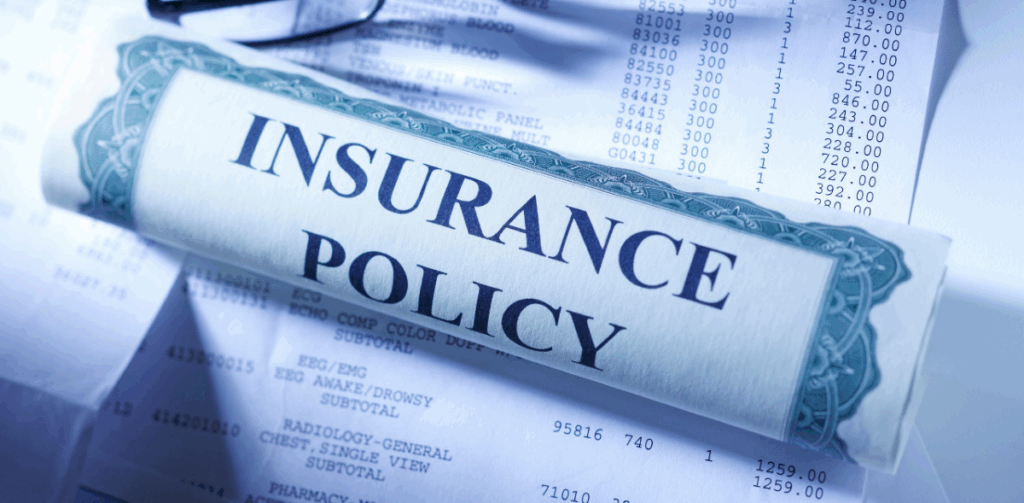
When you are involved in an accident with an uninsured or underinsured driver, navigating the claims process can be confusing and overwhelming. Temple Injury Law applies legal knowledge, hands-on experience, and proven strategies to help clients in Las Vegas secure the protection their insurance coverage promises. Here’s how we support you:
- Policy Review and Explanation: We carefully review your auto insurance policy and explain how uninsured motorist coverage and underinsured motorist coverage apply to your situation.
- Case Evaluation: Our team assesses the details of your accident, including injuries sustained, medical expenses, and lost wages, to determine the full value of your uninsured motorist claim.
- Handling Insurer Disputes: If your own insurance company refuses to pay or minimizes your claim, we take on direct communication and negotiations with the insurer.
- Evidence Collection: We gather essential documentation, including police reports, medical records, and wage statements, to build a clear and persuasive case.
- Legal Guidance Under Nevada Law: Our attorneys explain how Nevada law affects uninsured motorist coverage, ensuring your rights are protected throughout the legal process.
- Support During Recovery: We manage the legal process, allowing you to focus on medical treatment and recovery without additional financial stress.
What Is Uninsured Motorist Coverage and How Can It Be Claimed?
If you get into an accident with an uninsured motor vehicle, having uninsured motorist coverage gives you extra protection through your auto insurance policy. This insurance covers you (and others in your car) if the at-fault driver is uninsured. This coverage is used when a driver in an accident has no insurance and is at fault.
Another common question is: Does Nevada offer UMPD? An Uninsured Motorist Property Damage (UMPD) insurance policy will cover the cost of a damaged or destroyed vehicle when the person who caused the damage is uninsured. This insurance doesn’t cover the costs of billboards, road signs, buildings, or homes. If you have full coverage insurance, it includes UMPD in Nevada law.
What Is Underinsured Motorist Coverage?
Underinsured motorist coverage is another form of insurance you can purchase, but it is not mandatory to drive in the state.
While uninsured coverage covers accidents with drivers without insurance, underinsured coverage covers accidents with someone with low policy limits that don’t cover all damages.
Unlike some states, Nevada bundles uninsured and underinsured motorist coverage into a single policy. If you purchase one, you get the other. So, you’re covered against uninsured drivers and those whose policies don’t cover all the damages you experienced.
Let our car accident attorneys give you a free consultation. Our offices are located in Las Vegas at:
Central Office: 1300 S. Decatur Blvd. Las Vegas, NV 89102
Southwest Office: 8085 Blue Diamond Road, Unit 103, Las Vegas, NV 89178

Common Situations Where Uninsured or Underinsured Coverage Matters
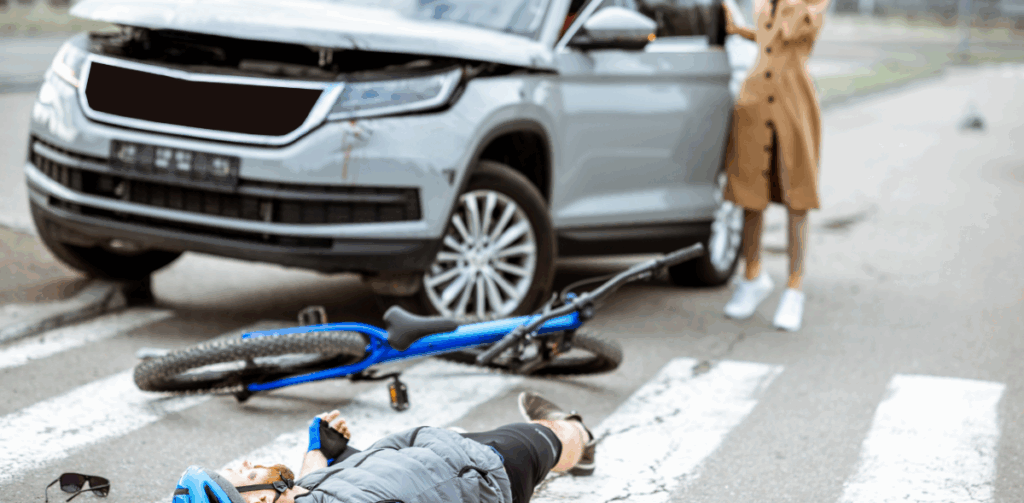
Accidents involving uninsured or underinsured drivers can take many forms. Understanding these situations helps drivers in Las Vegas see why uninsured motorist coverage and underinsured motorist coverage are so important.
1. Accident With an Uninsured Driver
Some drivers never purchase auto insurance. If an uninsured driver hits you, your own uninsured motorist policy may be the only way to recover for medical expenses, lost wages, and other damages.
2. Hit and Run Accidents
In Nevada, hit-and-run crashes leave victims without any way to pursue the at-fault driver. Uninsured motorist coverage steps in to provide protection when the responsible party cannot be identified.
3. Drivers With Insufficient Coverage
Many drivers only carry the minimum liability coverage required by Nevada law. This amount may cover small claims but rarely pays for hospital stays, surgeries, or long-term care. In these cases, an underinsured motorist claim can help bridge the gap.
4. Disputes With Your Own Insurance Company
Even with valid coverage, insurers sometimes refuse to pay reasonably. They may argue about the accident scene, dispute injuries sustained, or limit what uninsured motorist coverage pays. Legal support can be essential in these situations.
Filing a Claim Against an Uninsured Motorist
Filing a claim against an uninsured motorist can be challenging, but there are steps you can take to protect yourself and potentially recover damages. Here’s a general guide on how to proceed:
- Contact the Police: Always contact the police immediately after the accident to file a report. This is crucial for documenting the incident, even if the other party is uninsured.
- Gather Information: Collect as much information as possible from the other driver, including their name, address, and contact information. Also, try to get information from witnesses and take photos of the accident scene, the vehicles involved, and any visible injuries.
- Notify Your Insurance Company: Inform your insurance company about the accident immediately. Even if the other motorist is uninsured, your policy may have uninsured motorist (UM) or underinsured motorist (UIM) coverage to help cover damages and injuries.
- Uninsured Motorist Coverage: This is optional in some places but mandatory in others. It is designed to cover your losses caused by an uninsured driver. Depending on your policy and state, this can include medical bills, lost wages, and sometimes even property damage.
- File a Claim: If you have UM or UIM coverage, you must file a claim under your policy. Provide your insurer with all the necessary documentation, including the police report, photos, medical records, and receipts related to the accident.
- Consider Your Legal Options: If your insurance coverage is insufficient to cover your losses, or if you do not have UM/UIM coverage, consider taking legal action against the uninsured driver. Consulting with a personal injury attorney to discuss your options is often advisable. Remember, however, that if the other driver lacks insurance, they may not have the means to pay a judgment, making it difficult to recover damages.
- State-Specific Funds: Some states have uninsured motorist funds to help victims of accidents with uninsured drivers. These funds may provide a source of compensation for your injuries and damages. Check if your state has such a fund and, if so, the eligibility criteria for making a claim.
Preventative Measures: Review your auto insurance policy to ensure adequate UM/UIM coverage. This coverage can be invaluable in protecting you against losses caused by uninsured motorists.
What to Do If You’ve Been Hurt in an Accident with an Uninsured Motorist
If you get into an accident with them, you must file with your insurance company. An uninsured motorist claim needs to be filled out. There are several steps you should take to protect your rights at the scene of the accident.
- Contact law enforcement
- Acquire the driver’s name, contact information, and license number
- Get immediate medical attention
- Save any possible evidence from the scene
- Contact a Nevada auto insurance attorney to learn your options

Challenges With Insurance Companies and Why Legal Help Matters
Filing an uninsured motorist claim should be straightforward, but many drivers in Las Vegas discover that their own insurance company is not always on their side. Understanding the most common issues helps accident victims see why legal guidance is often necessary.
1. Denial of Medical Expenses
Insurance companies may refuse to pay certain medical bills, even when injuries sustained are directly tied to the motor vehicle accident. This leaves accident victims struggling with out-of-pocket medical expenses.
2. Disputes Over Lost Wages
Some insurers deny or limit coverage for lost wages, arguing that time away from work is unrelated or unnecessary. This creates financial strain during recovery.
3. Policy Interpretation Issues
Insurers sometimes claim that uninsured motorist coverage does not apply, pointing to technicalities in the auto insurance policy. These disputes can delay fair compensation.
4. Pressure to Accept Low Settlements
Insurance agents may pressure accident victims into accepting quick, low settlements that fail to cover future medical expenses, rehabilitation, or long-term care needs.
Temple Injury Law reviews auto insurance policies, gathers evidence, and negotiates directly with insurance companies. If an insurer refuses to act reasonably, our law firm takes further legal steps under Nevada law to protect the rights of car accident victims.
Call Our Experienced Uninsured Motorist Accident Attorney
If your insurance company refuses to pay or delays your claim, our personal injury lawyers can step in to handle the legal process. We can explain your options under Nevada law and help determine the best course of action to move forward.
Car accident victims deserve to understand their rights before making decisions. With a free consultation, you can ask questions, learn about the legal process, and decide whether filing an uninsured motorist claim with legal support is the right step for you.
Whether you’re dealing with your own insurance company or that of an underinsured driver, a personal injury lawyer like Temple Injury Law can resolve your case. Schedule a consultation to address such complex matters and secure your rights and potential compensation.

Frequently Asked Questions About Uninsured Motorist Accidents
Nevada law prohibits an insurer from increasing your renewal premium because of an insurance claim for which you were not at fault. NRS 687B.385 also prohibits certain other adverse actions for that reason. This protection can apply to a UM or UIM claim arising from a crash you did not cause. It does not guarantee that your total premium will never change for other lawful reasons. If your premium changes after a claim, ask for an explanation and consider contacting the Nevada Division of Insurance if you believe the increase violates the law.
If you have applicable uninsured motorist coverage, it may compensate you for covered bodily injuries caused by an uninsured driver, up to the policy limits. UM coverage is optional in Nevada, so check your declarations page and policy rather than assuming you have it. Other options may include applicable medical payments coverage, health insurance, or a claim against a legally responsible person. Vehicle repairs generally require a separate coverage analysis, such as collision coverage. Keep evidence of fault and notify any potentially applicable insurer promptly.
Underinsured motorist coverage may help with covered injury damages that exceed the at-fault driver’s bodily injury liability limits, subject to your UIM policy and limits. Nevada requires insurers to offer UM and UIM coverage with qualifying passenger-car and motorcycle policies, but you should confirm whether you purchased it and which policies apply. Before accepting a liability settlement or signing a release, review how it affects your remaining claims. The total available recovery depends on the proven damages, applicable coverage, and any other legally responsible parties.

